banner

Dag 13: Jaguars spotten inb de Pantanal

Home Biota: what is it? Animals Plants Mammals Birds Insects NL EN

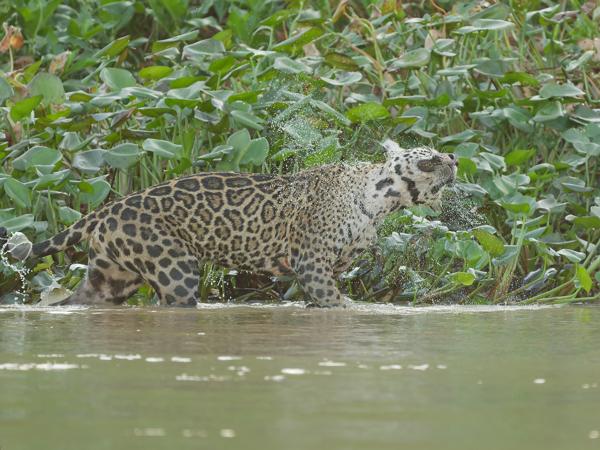
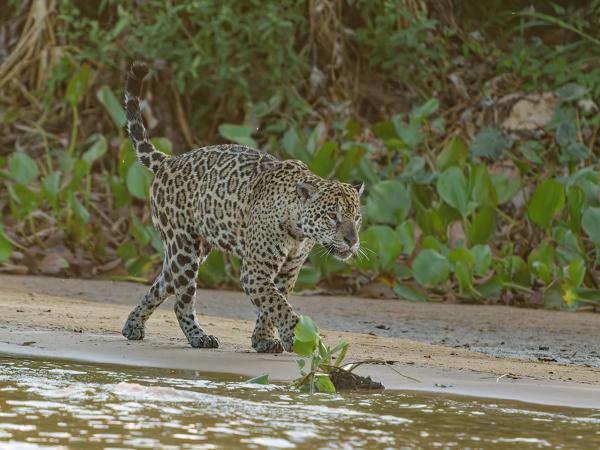
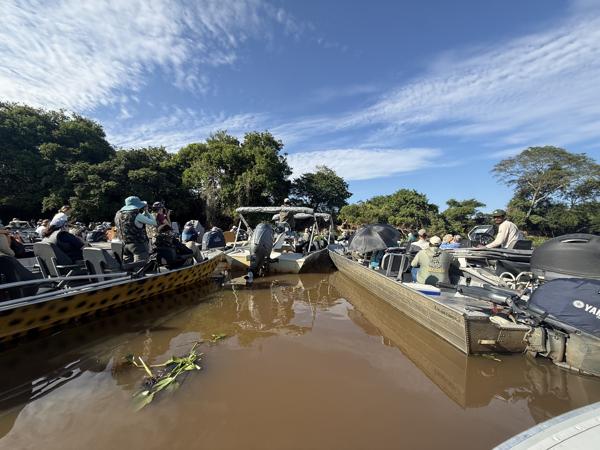
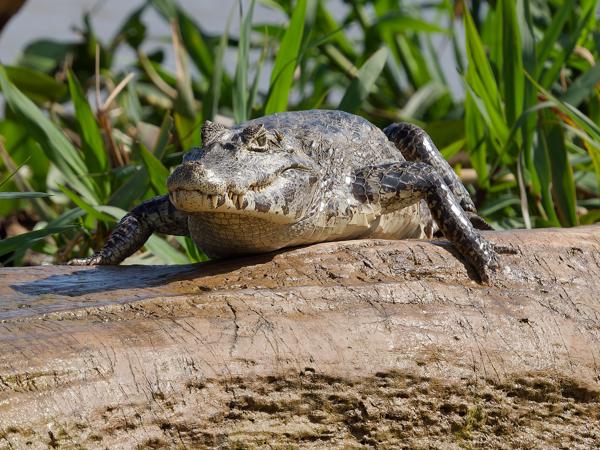
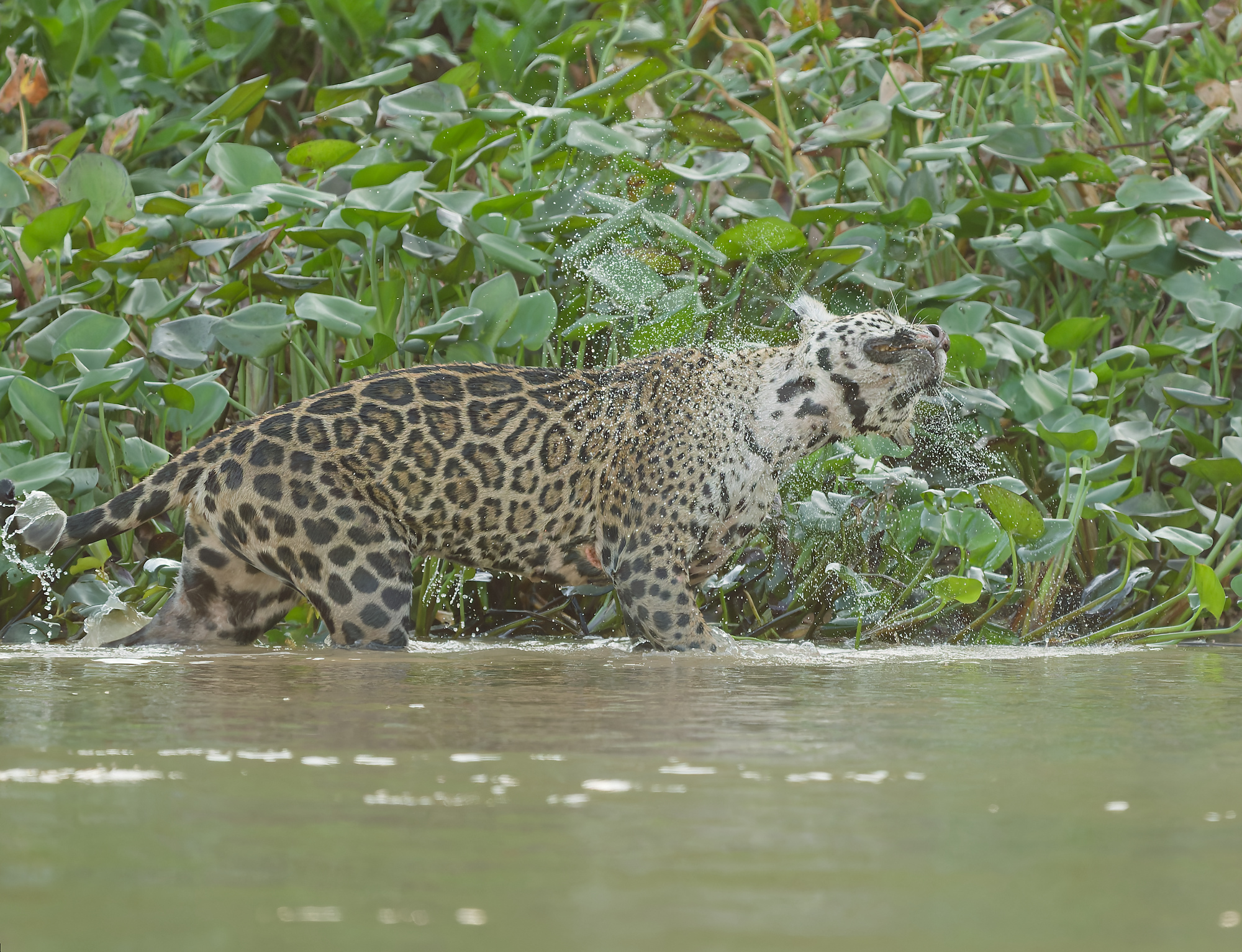
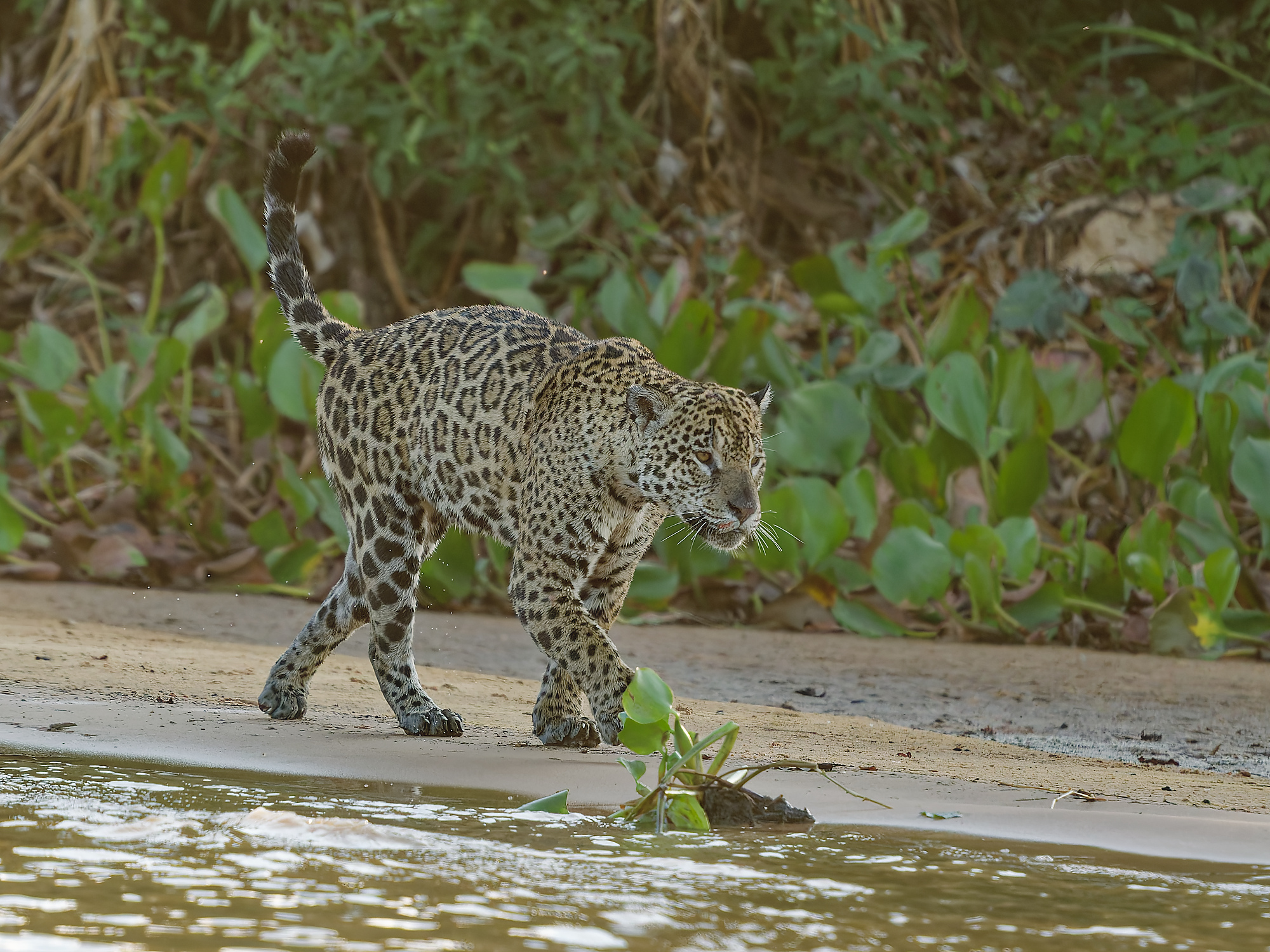
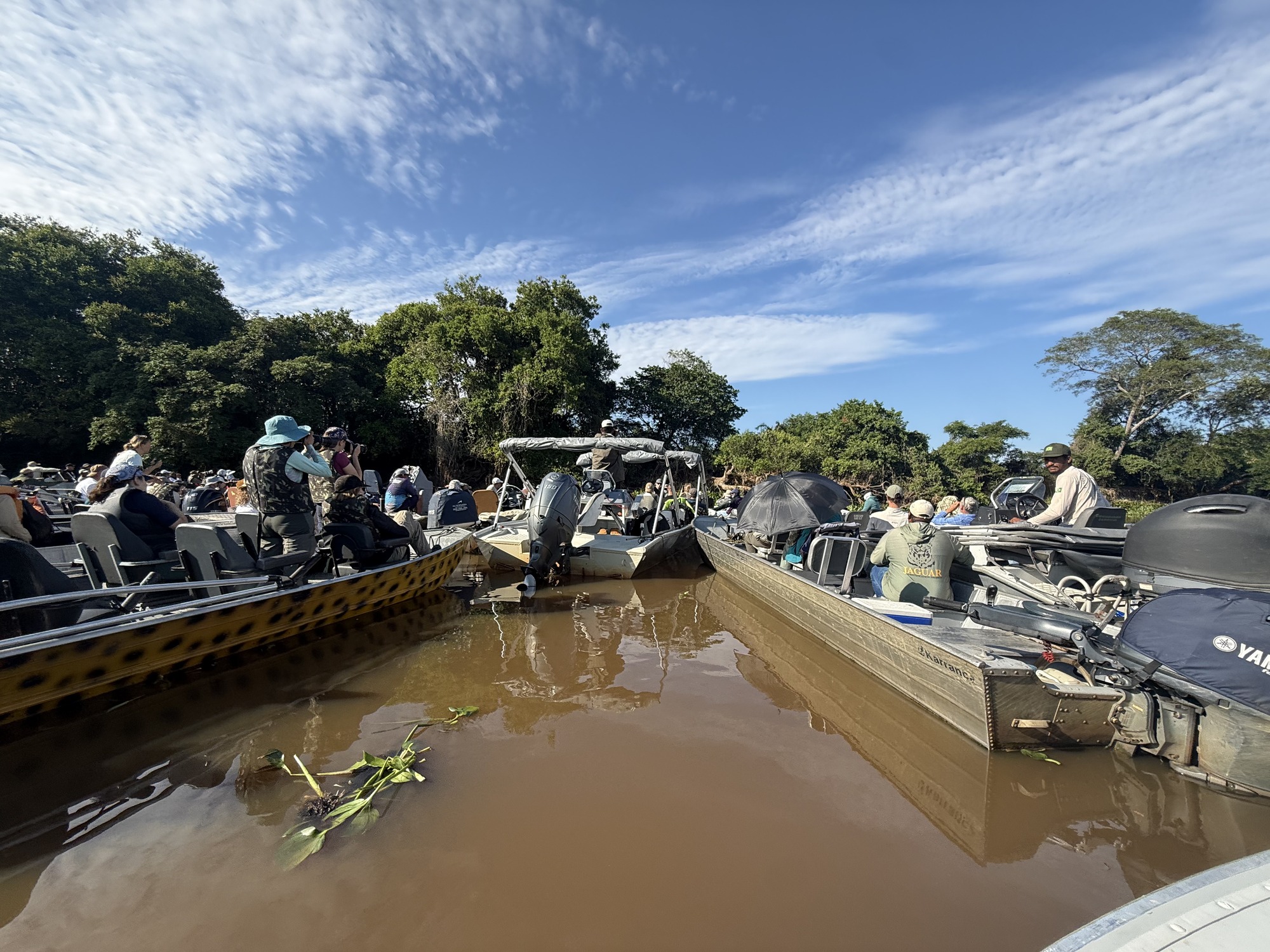
Our guide has been working in the wild for 30 years. In 2000, jaguars were extremely rare in the Pantanal. Since then, the government and farmers have concluded that they can earn more from tourism than from the already extensive livestock farming. The area is large enough for a lot of livestock during the dry season, but during the wet season, the farmers cannot find places for the cattle. Now, jaguars are easy to spot during the dry season because they feed on caimans. The caimans gather in the river arms where there is always water. The jaguars only have to drop onto a caiman for food for their offspring. It is not that simple, of course, but the jaguars live off the caimans during this period. The jaguars, even those with cubs, willingly show themselves to the tourists. For a mother with two cubs, as many as 30 boats quickly come to look. The jaguars observe it all calmly.

1 / 31
2 / 31
3 / 31
4 / 31
5 / 31
6 / 31
7 / 31
8 / 31
9 / 31
10 / 31
11 / 31
12 / 31
13 / 31
14 / 31
15 / 31
16 / 31
17 / 31
18 / 31
19 / 31
20 / 31
21 / 31
22 / 31
23 / 31
24 / 31
25 / 31
26 / 31
27 / 31
28 / 31
29 / 31
30 / 31
31 / 31
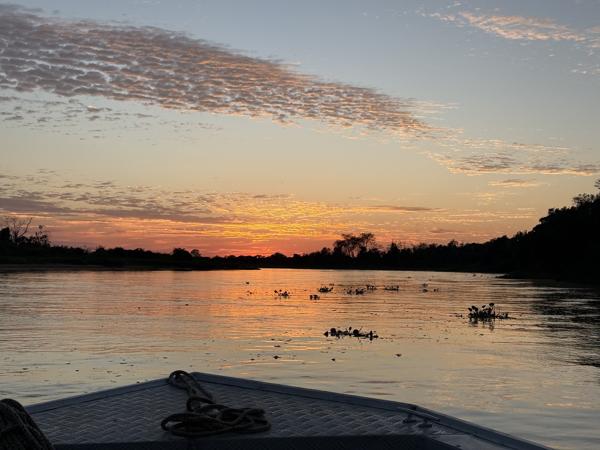
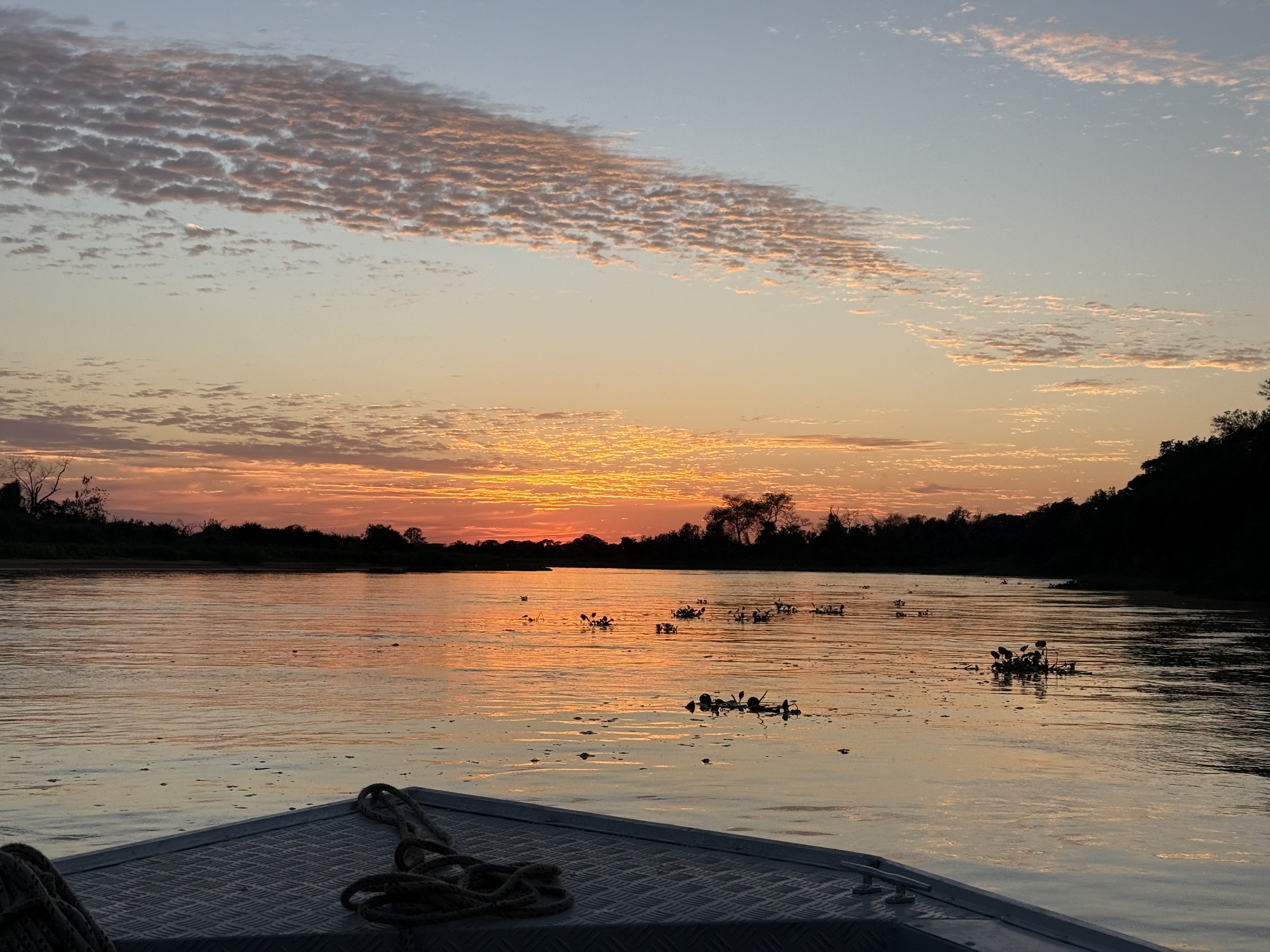
<h3>Morning Red</h3>iPhone 16 Pro with iPhone 16 Pro back triple camera 6.765mm f/1.78, 1/975 sec at F1.8, ISO 64
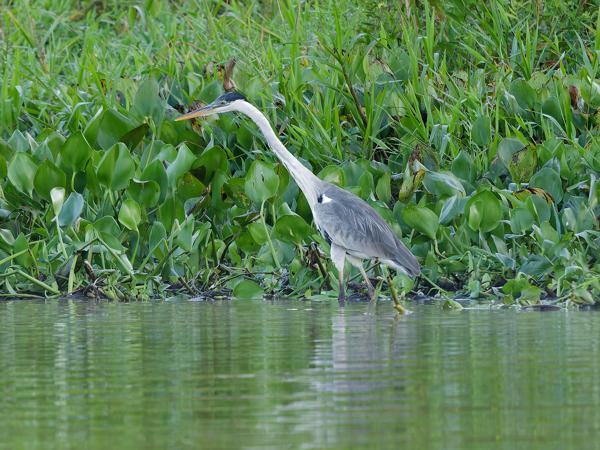
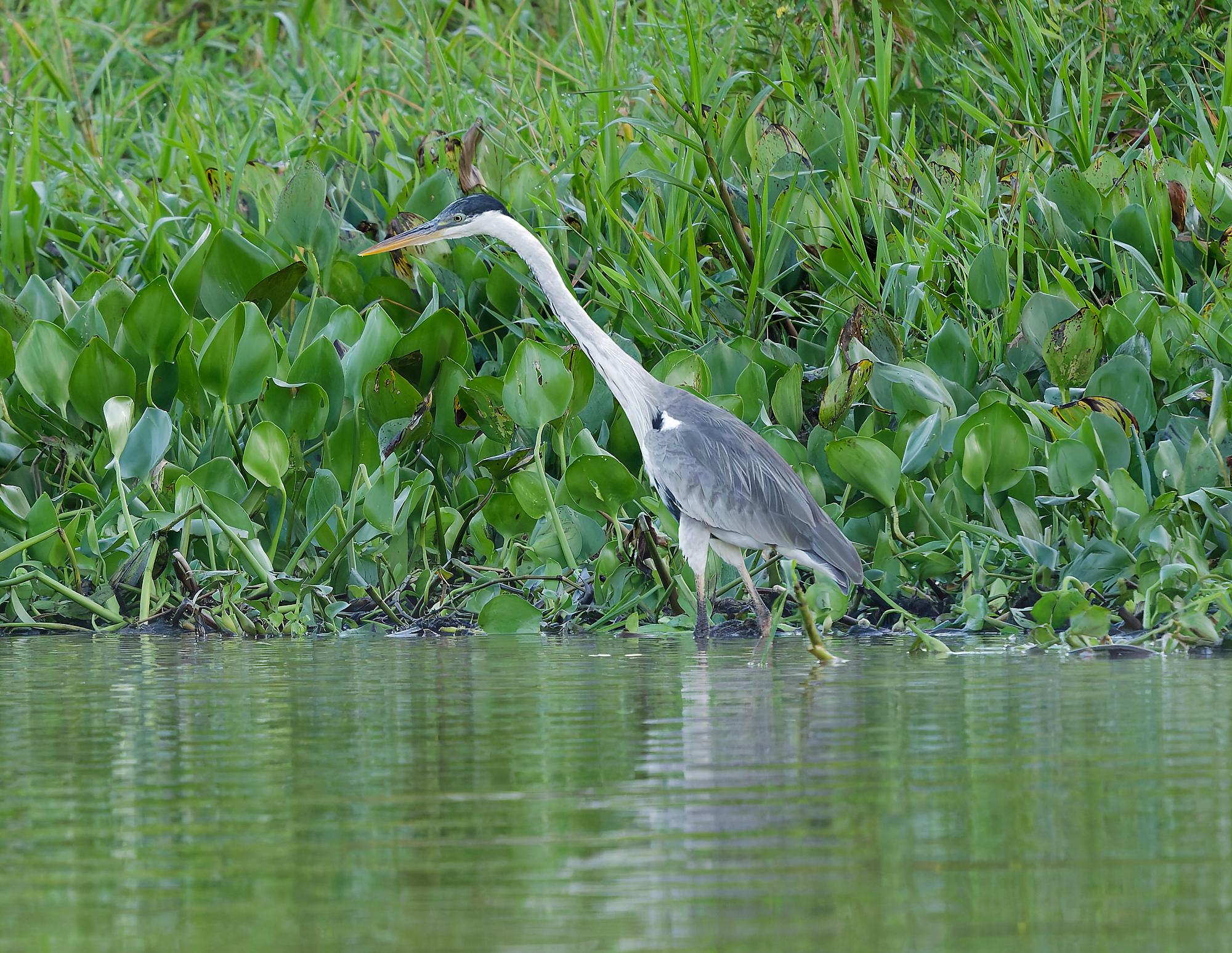
<h3>Ardea cocoi / Cocoi heron / Sokoireiger</h3>OM-1 Mark II with OLYMPUS M.150-400mm F4.5, 1/640 sec at F4.5, ISO 5000, distance 44.3 m
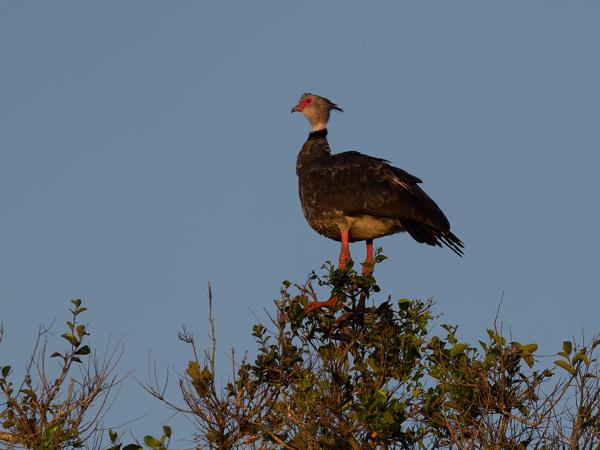
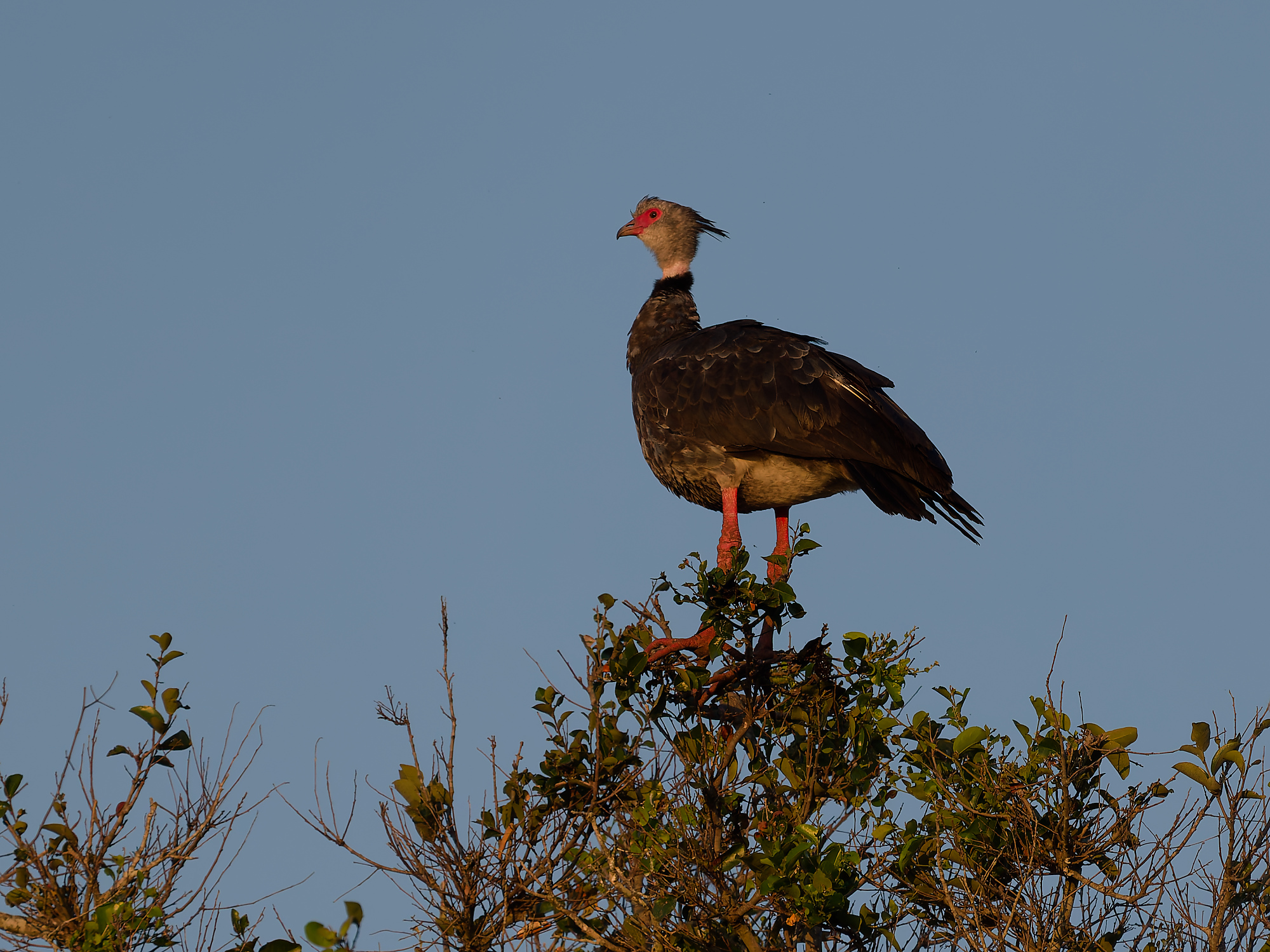
<h3>Chauna torquata / Southern screamer / Kuifhoenderkoet</h3>OM-1 Mark II with OLYMPUS M.150-400mm F4.5, 1/2000 sec at F5.0, ISO 500, distance 70.0 m
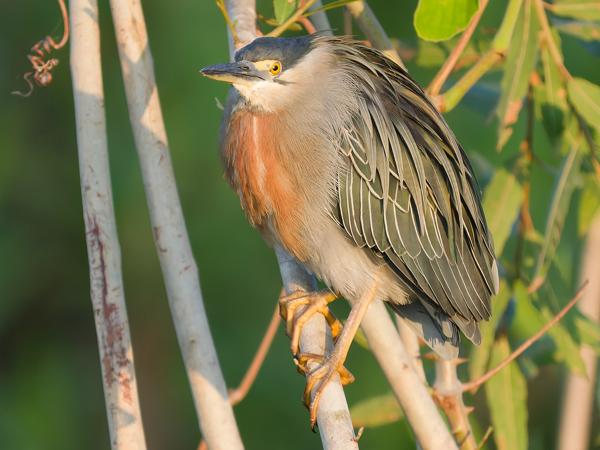
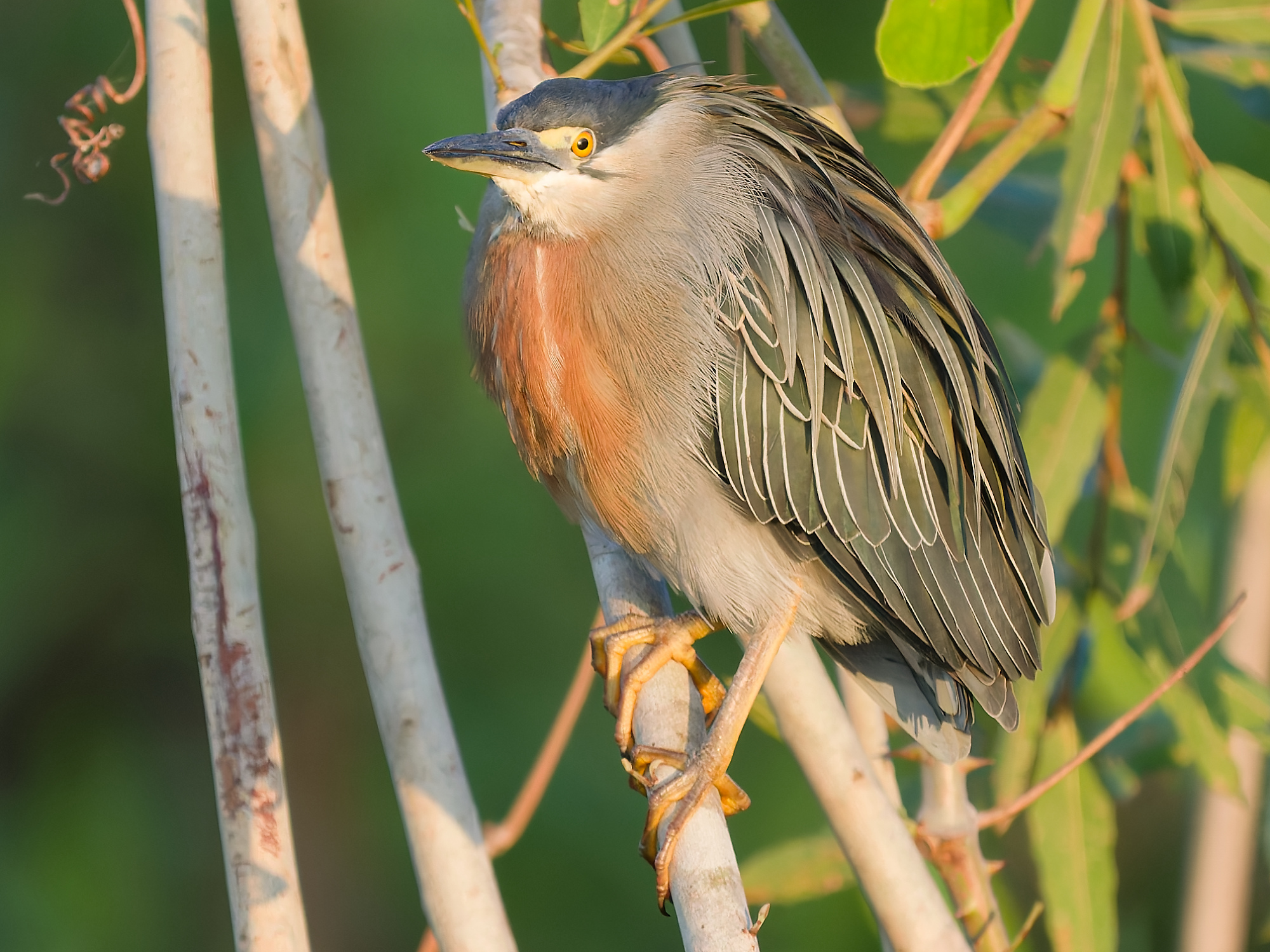
<h3>Butorides striata / Striated heron / Mangrovereiger</h3>OM-1 Mark II with OLYMPUS M.150-400mm F4.5, 1/1600 sec at F4.5, ISO 2500, distance 18.9 m
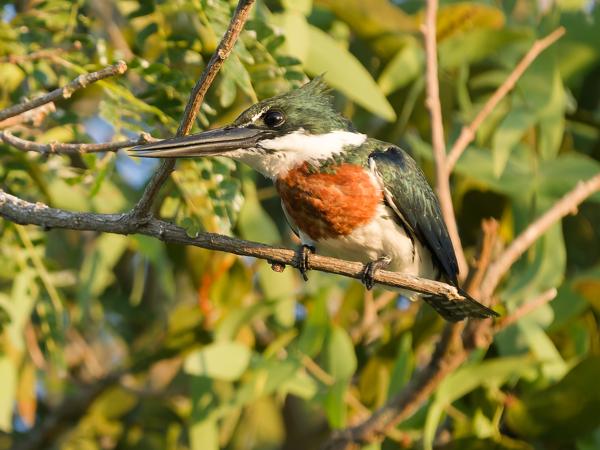
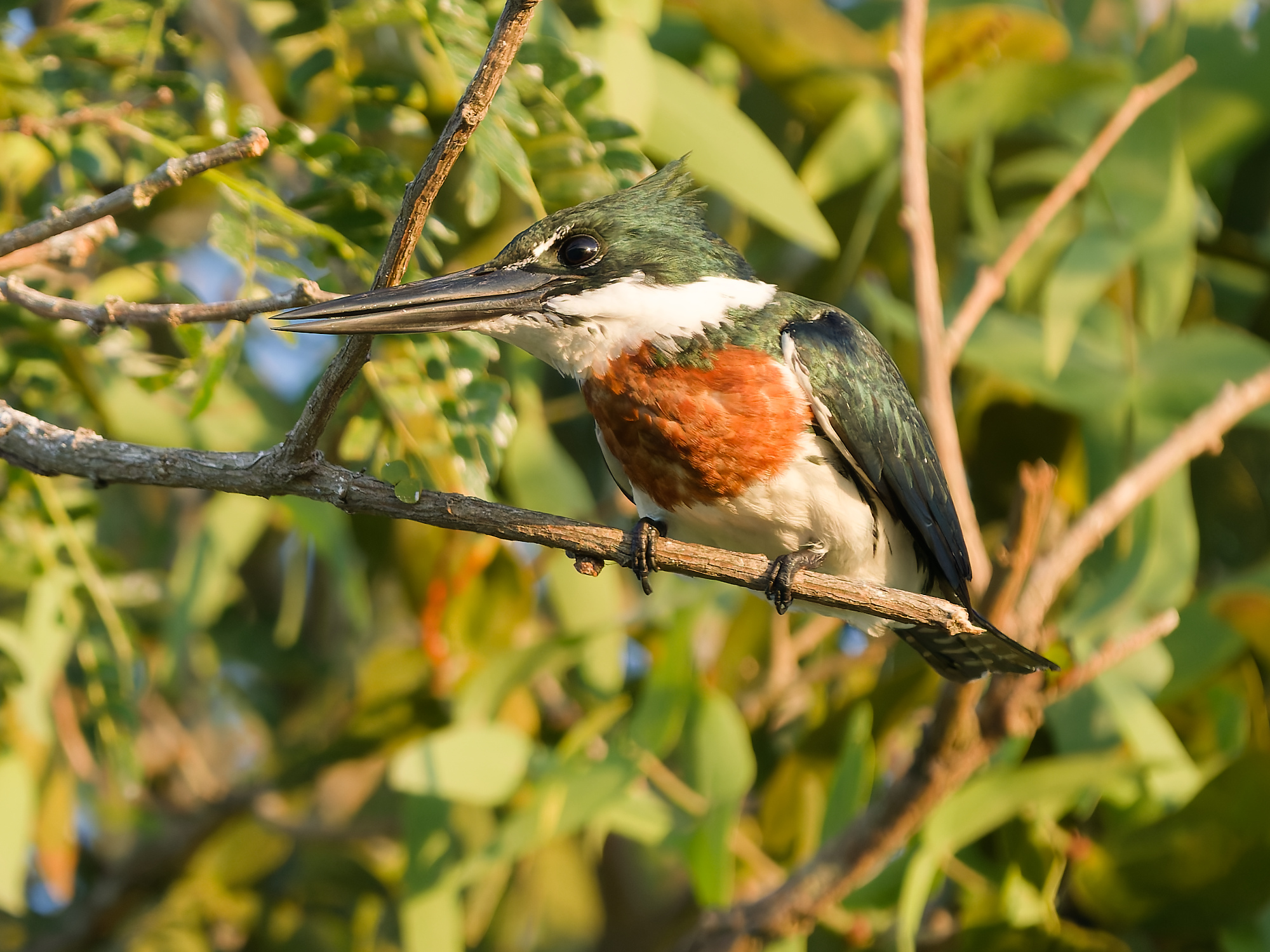
<h3>Chloroceryle amazona / Amazon kingfisher / Amazoneijsvogel</h3>OM-1 Mark II with OLYMPUS M.150-400mm F4.5, 1/1600 sec at F4.5, ISO 2500, distance 14.1 m
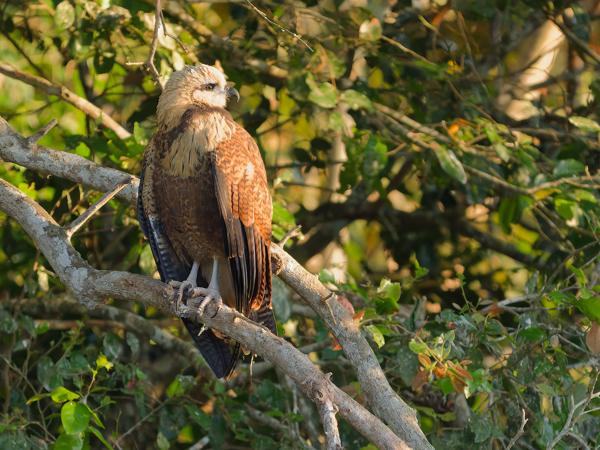
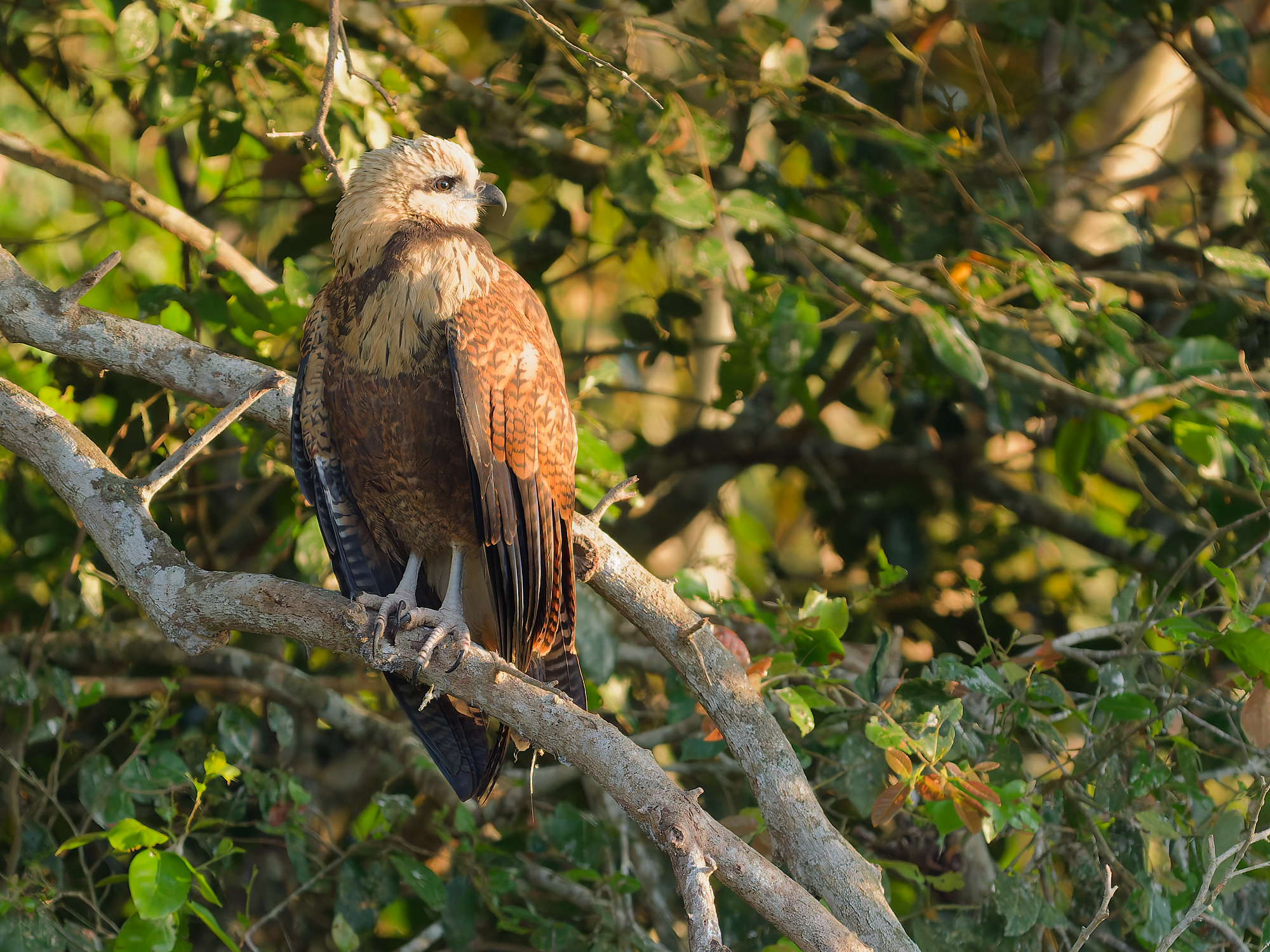
<h3>Busarellus nigricollis / Black‑collared hawk / Moerasbuizerd</h3>OM-1 Mark II with OLYMPUS M.150-400mm F4.5, 1/1000 sec at F4.5, ISO 5000, distance 35.4 m
<h3>Panthera onca / Jaguar / Jaguar</h3>OM-1 Mark II with OLYMPUS M.150-400mm F4.5, 1/1600 sec at F4.5, ISO 5000, distance 53.9 m
<h3>Panthera onca / Jaguar / Jaguar</h3>OM-1 Mark II with OLYMPUS M.150-400mm F4.5, 1/1600 sec at F4.5, ISO 2000, distance 48.1 m
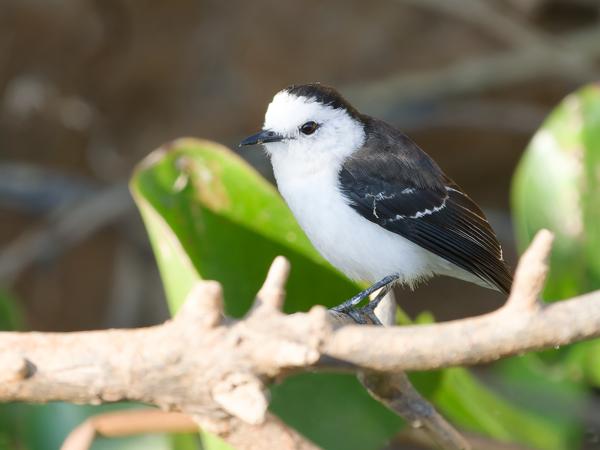
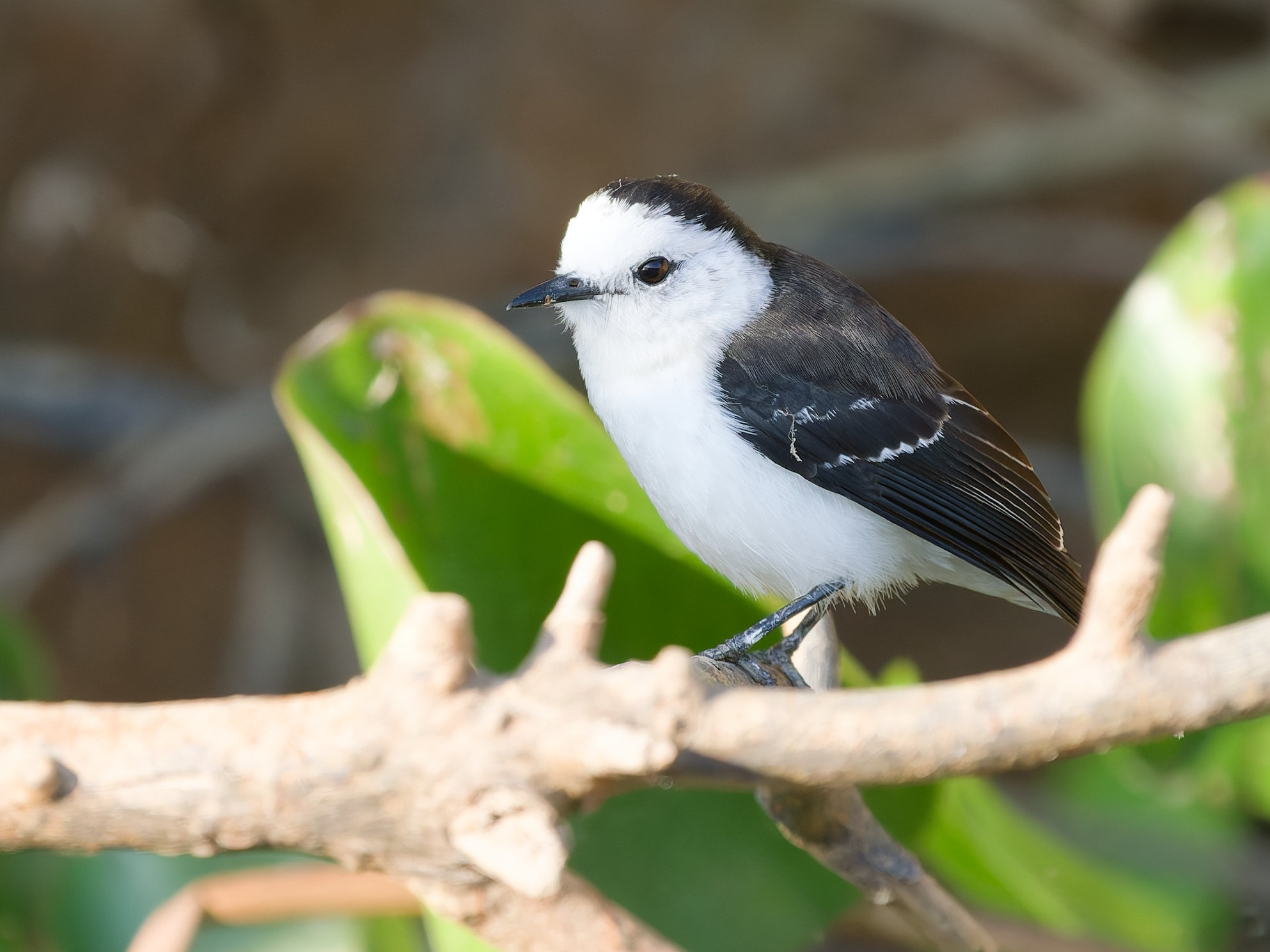
<h3>Fluvicola albiventer / Black‑backed water tyrant / Zwartrugwatertiran</h3>OM-1 Mark II with OLYMPUS M.150-400mm F4.5, 1/1600 sec at F5.0, ISO 2500, distance 9.91 m
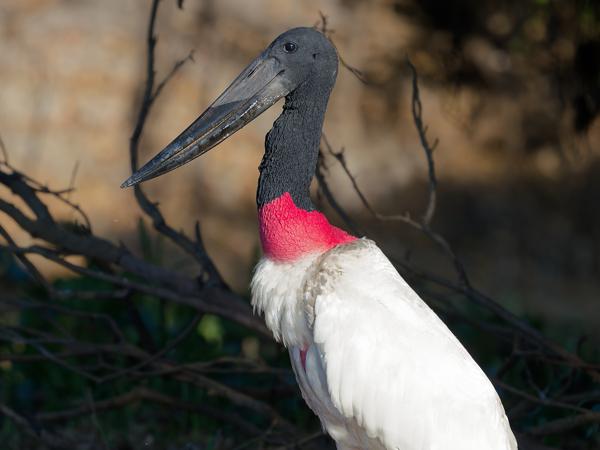
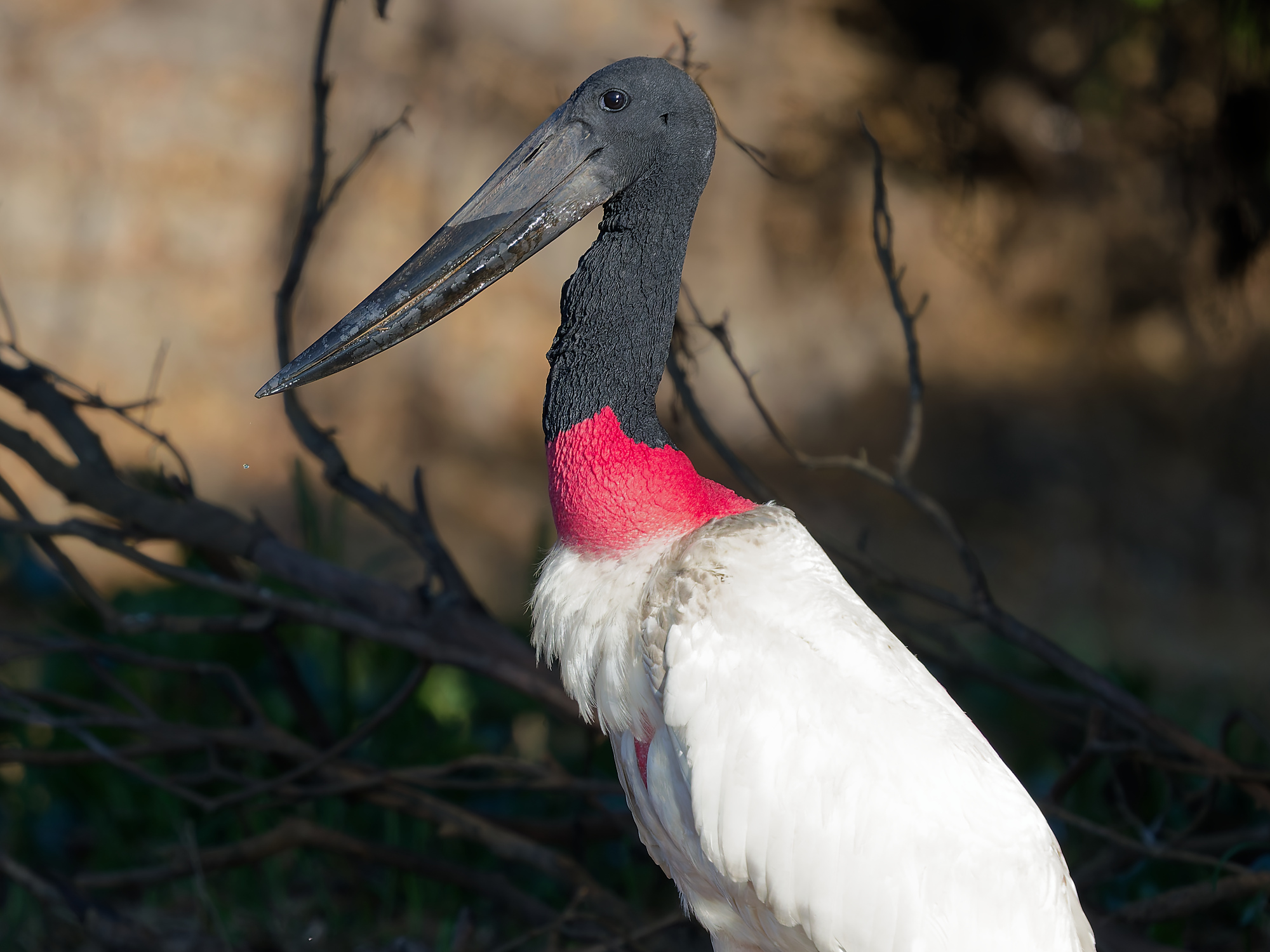
<h3>Jabiru mycteria / Jabiru / Jabiroe</h3>OM-1 Mark II with OLYMPUS M.150-400mm F4.5, 1/1600 sec at F4.5, ISO 1000, distance 28.8 m
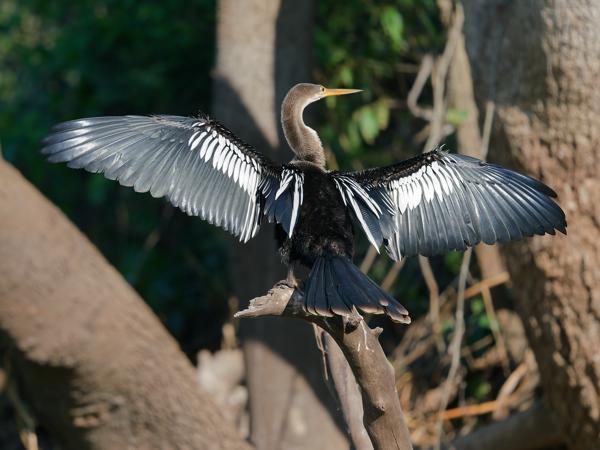
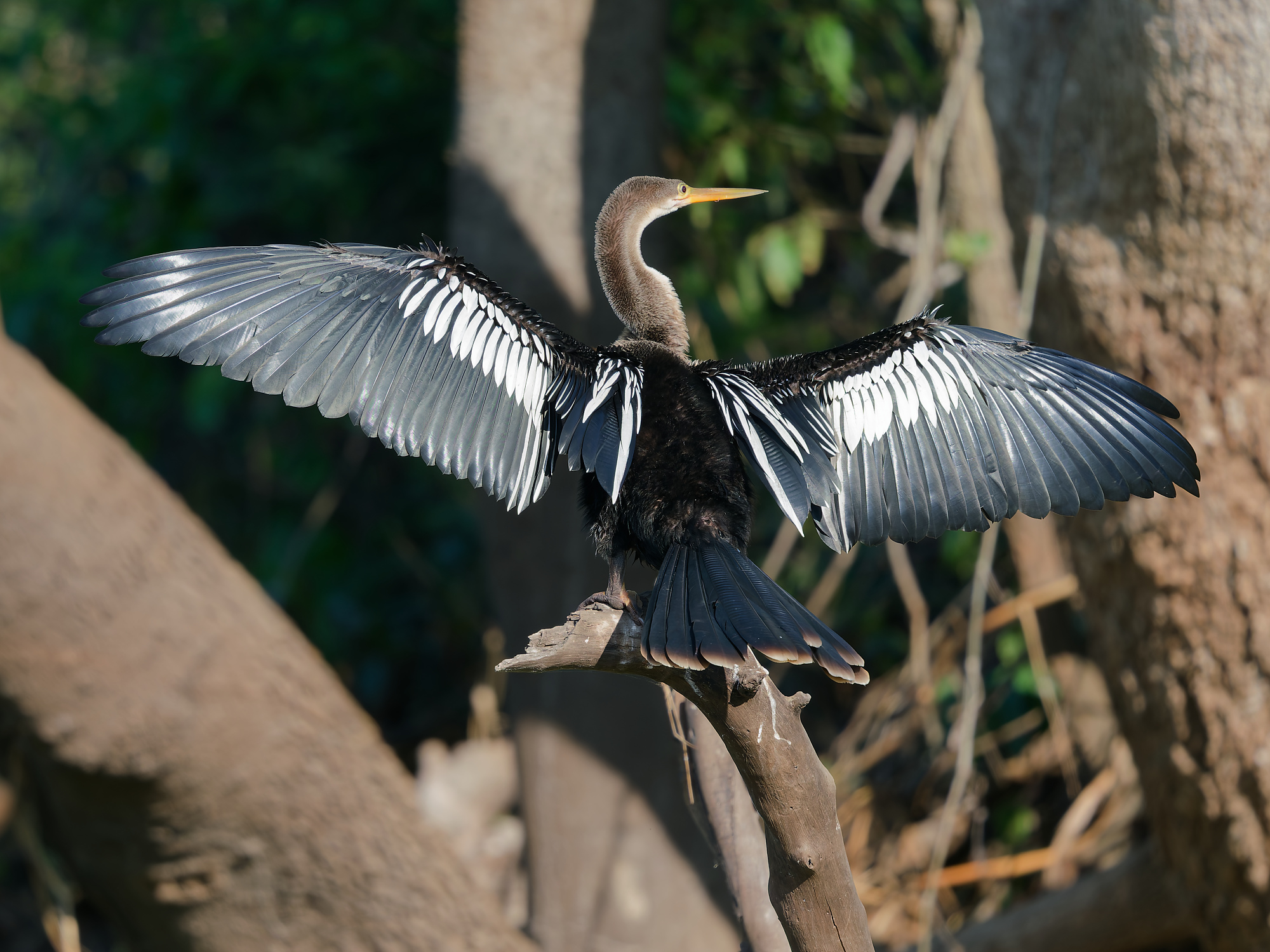
<h3>Anhinga anhinga / Anhinga / Amerikaanse slangenhalsvogel</h3>OM-1 Mark II with OLYMPUS M.150-400mm F4.5, 1/1600 sec at F4.5, ISO 1000, distance 17.0 m
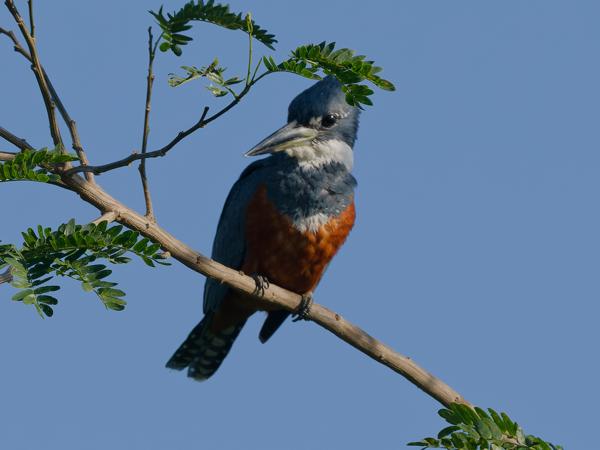
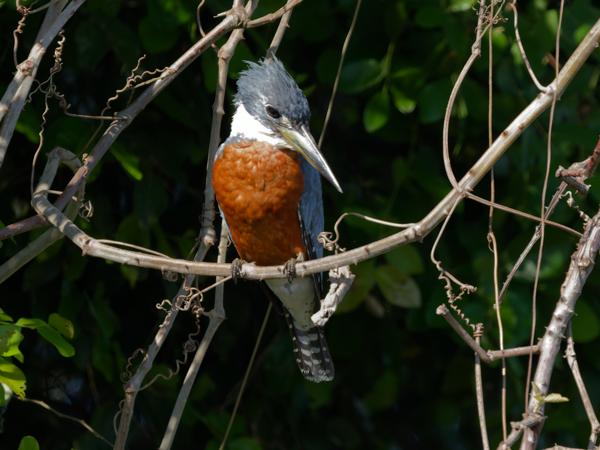
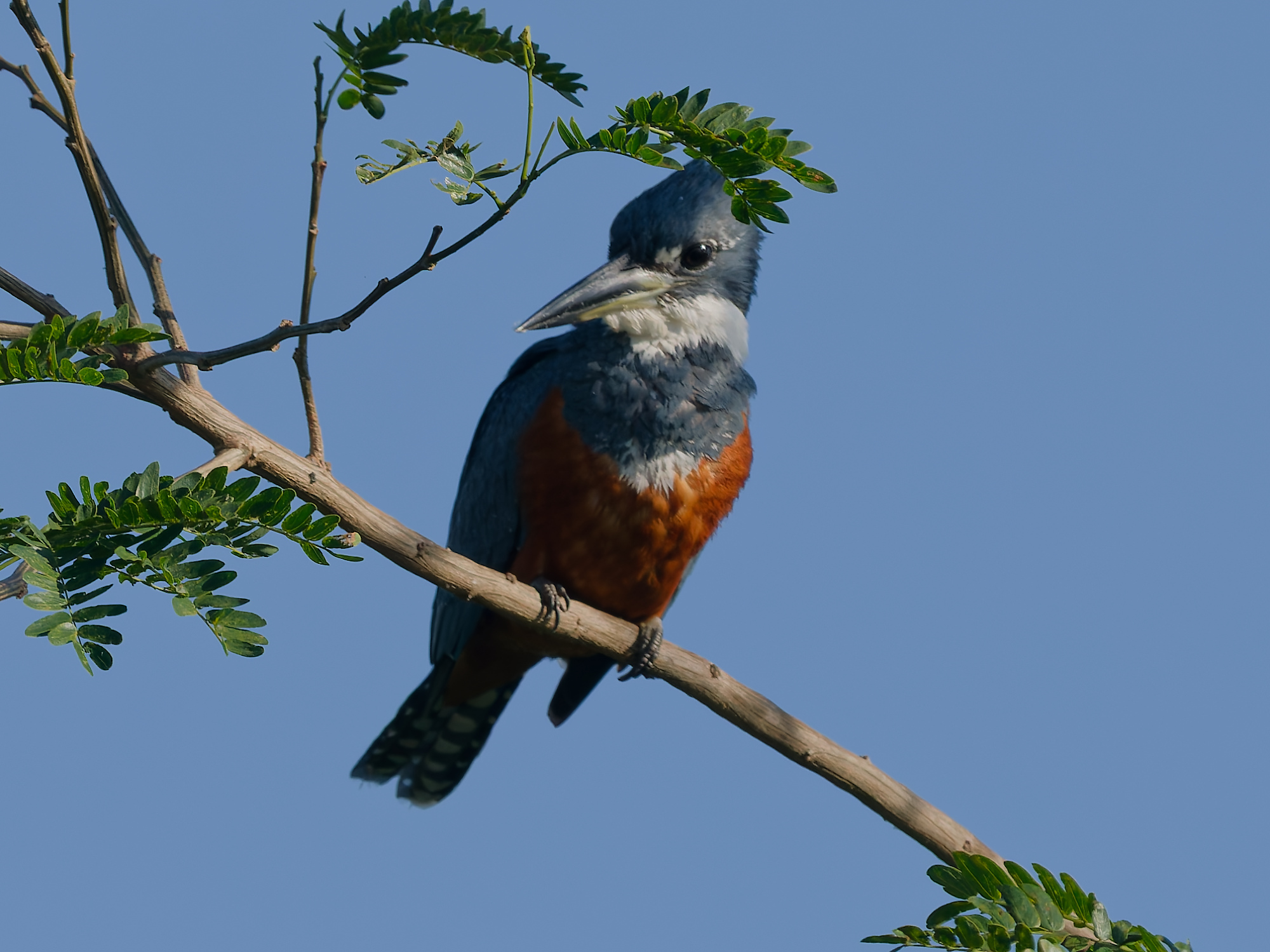
<h3>Megaceryle torquata / Ringed kingfisher / Amerikaanse reuzenijsvogel</h3>OM-1 Mark II with OLYMPUS M.150-400mm F4.5, 1/3200 sec at F6.3, ISO 500, distance 26.9 m
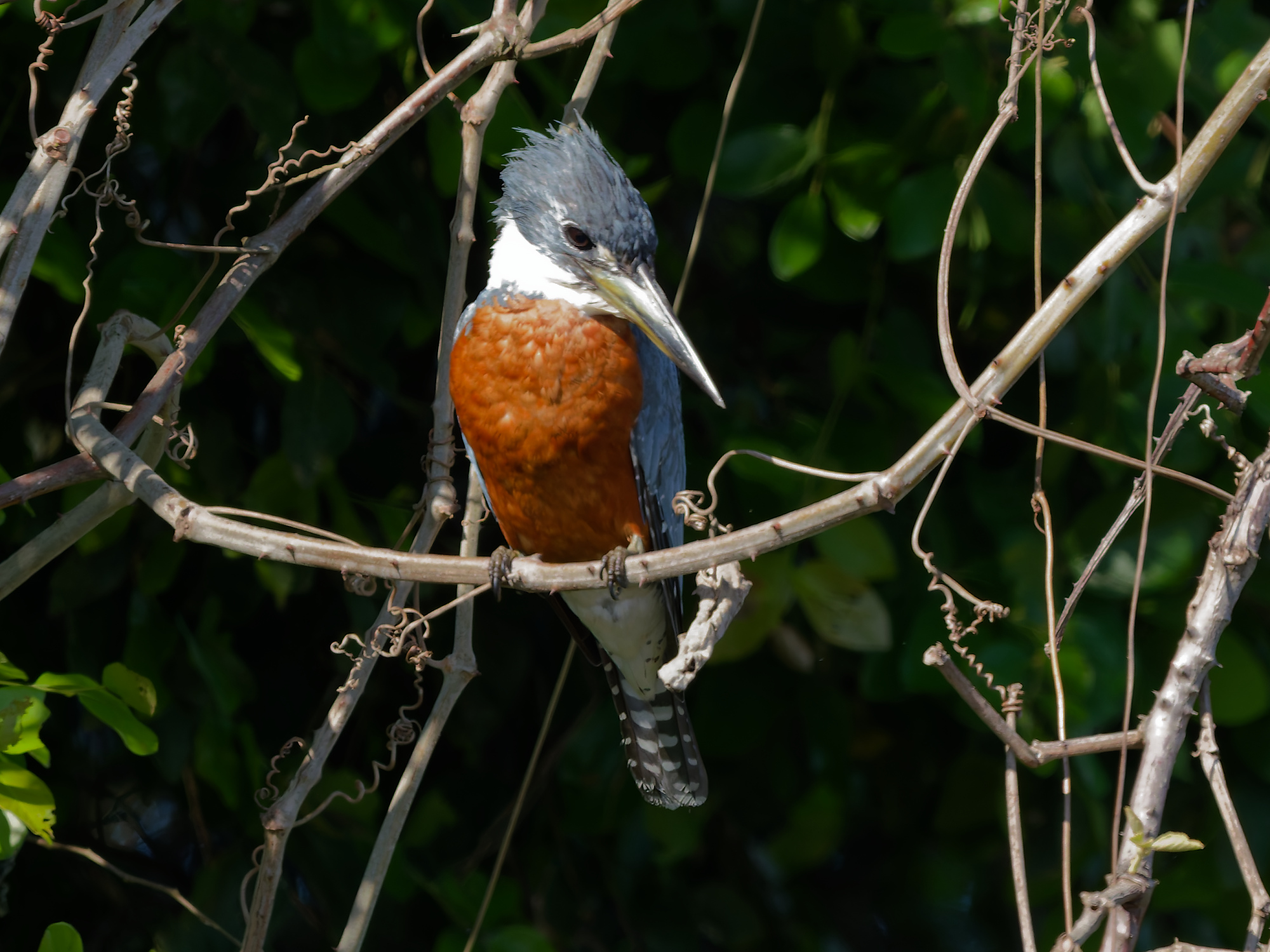
<h3>Megaceryle torquata / Ringed kingfisher / Amerikaanse reuzenijsvogel</h3>OM-1 Mark II with OLYMPUS M.150-400mm F4.5, 1/1600 sec at F4.5, ISO 1600, distance 22.5 m
<h3>Jaguar kijken</h3>iPhone 16 Pro with iPhone 16 Pro back triple camera 2.22mm f/2.2, 1/1235 sec at F2.2, ISO 50
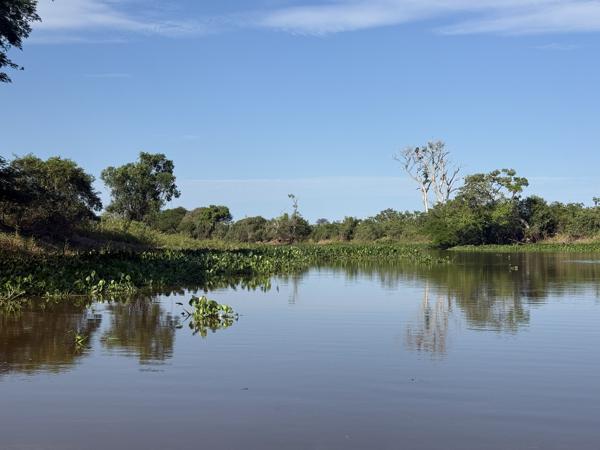
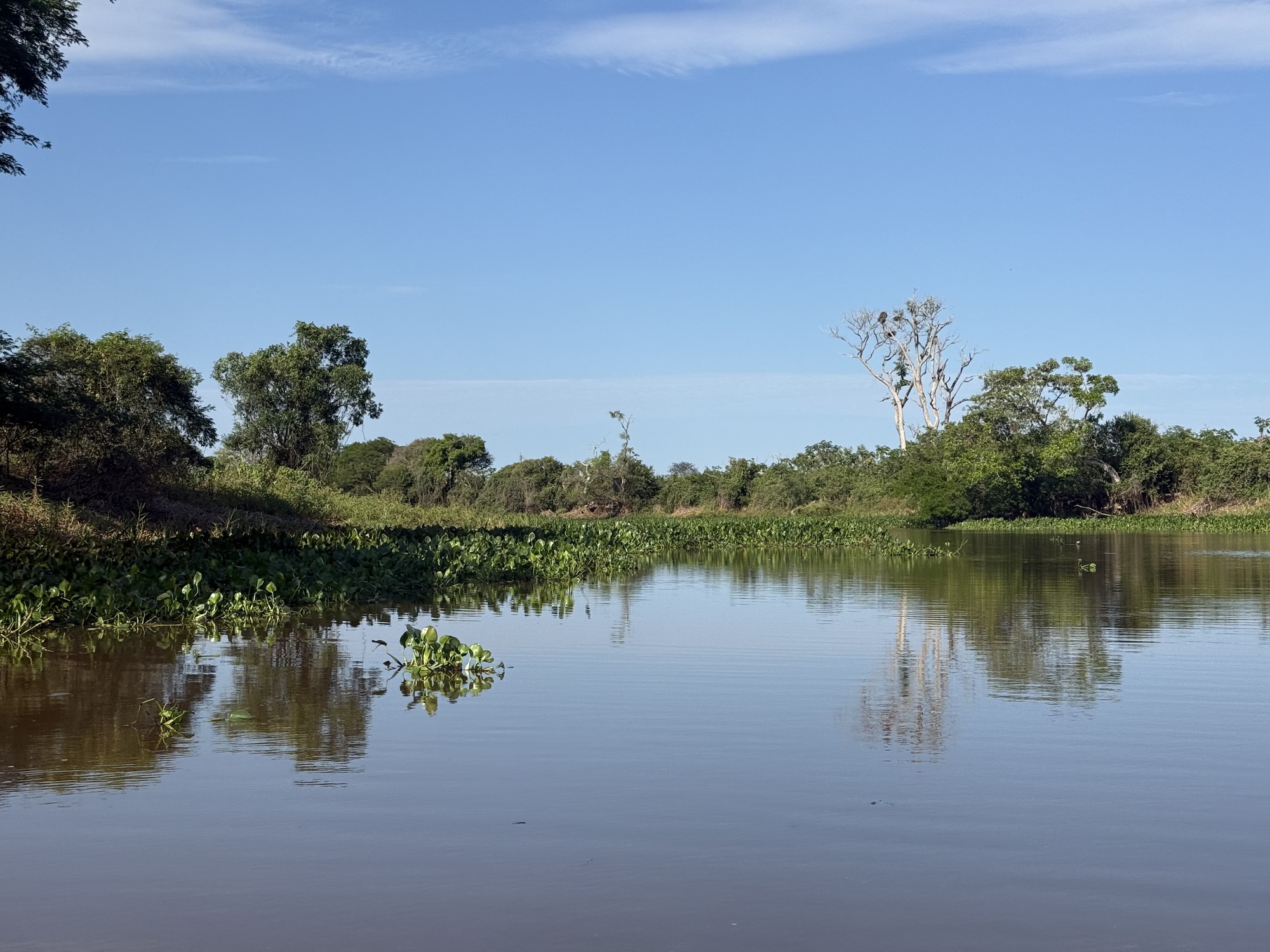
<h3>A river arm</h3>iPhone 16 Pro with iPhone 16 Pro back triple camera 6.765mm f/1.78, 1/5208 sec at F1.8, ISO 64
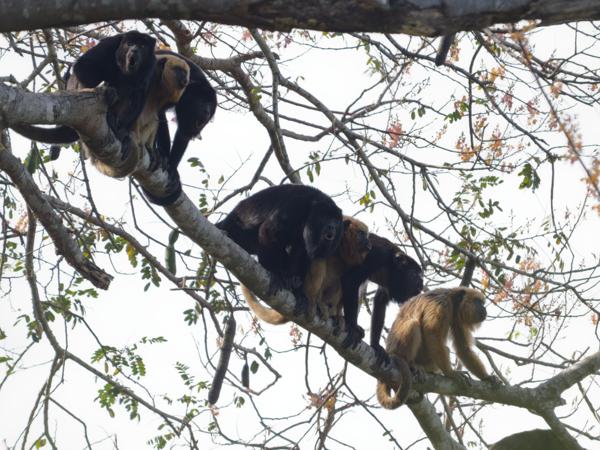
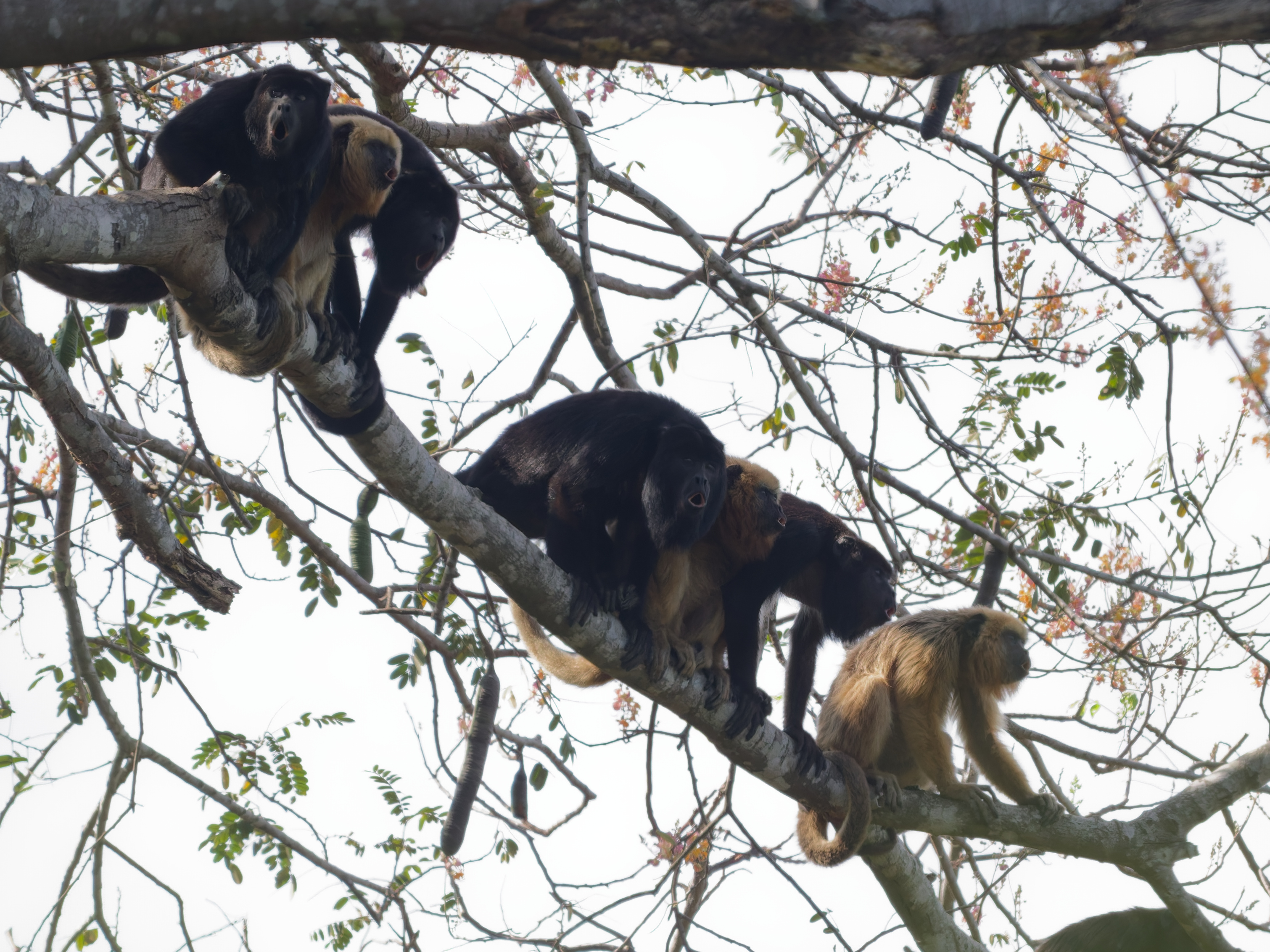
<h3>Alouatta caraya / Black howler / Zwarte brulaap</h3><p>The howler monkeys lived up to their reputation with joint roaring.</p>OM-1 Mark II with OLYMPUS M.150-400mm F4.5, 1/1600 sec at F4.5, ISO 1600, distance 71.5 m
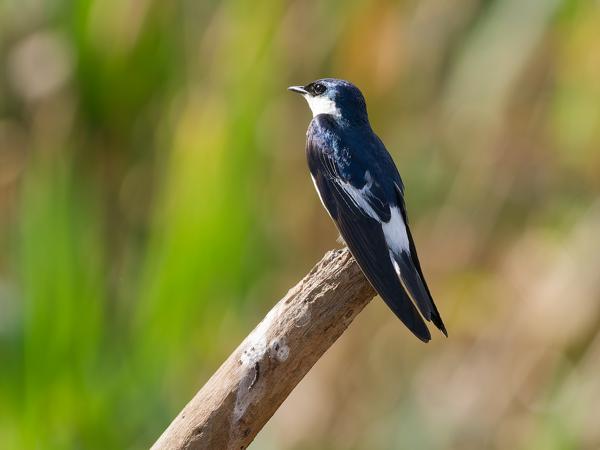
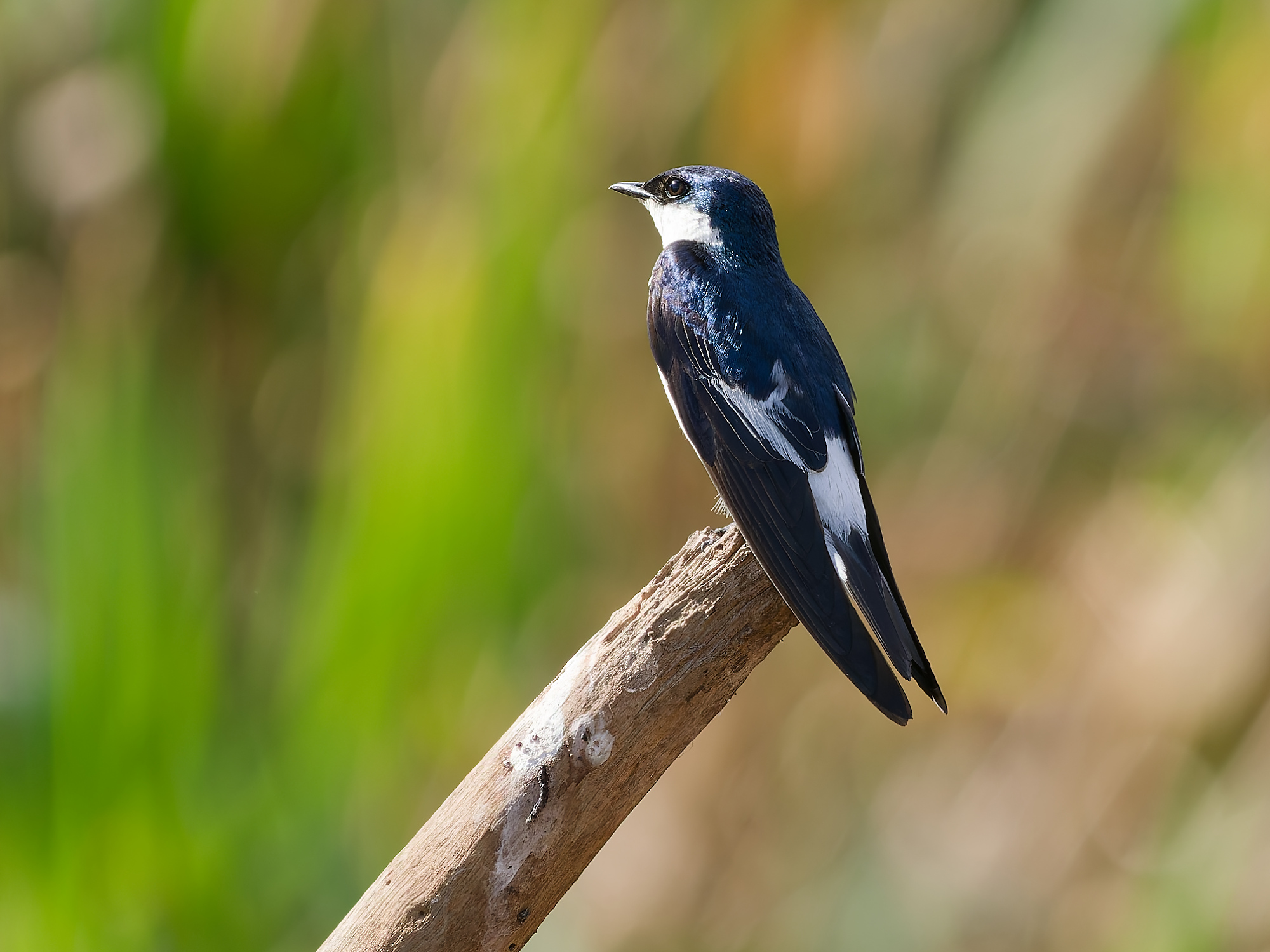
<h3>Tachycineta albiventer / White‑winged swallow / Witbuikzwaluw</h3>OM-1 Mark II with OLYMPUS M.150-400mm F4.5, 1/1600 sec at F4.5, ISO 500, distance 14.2 m
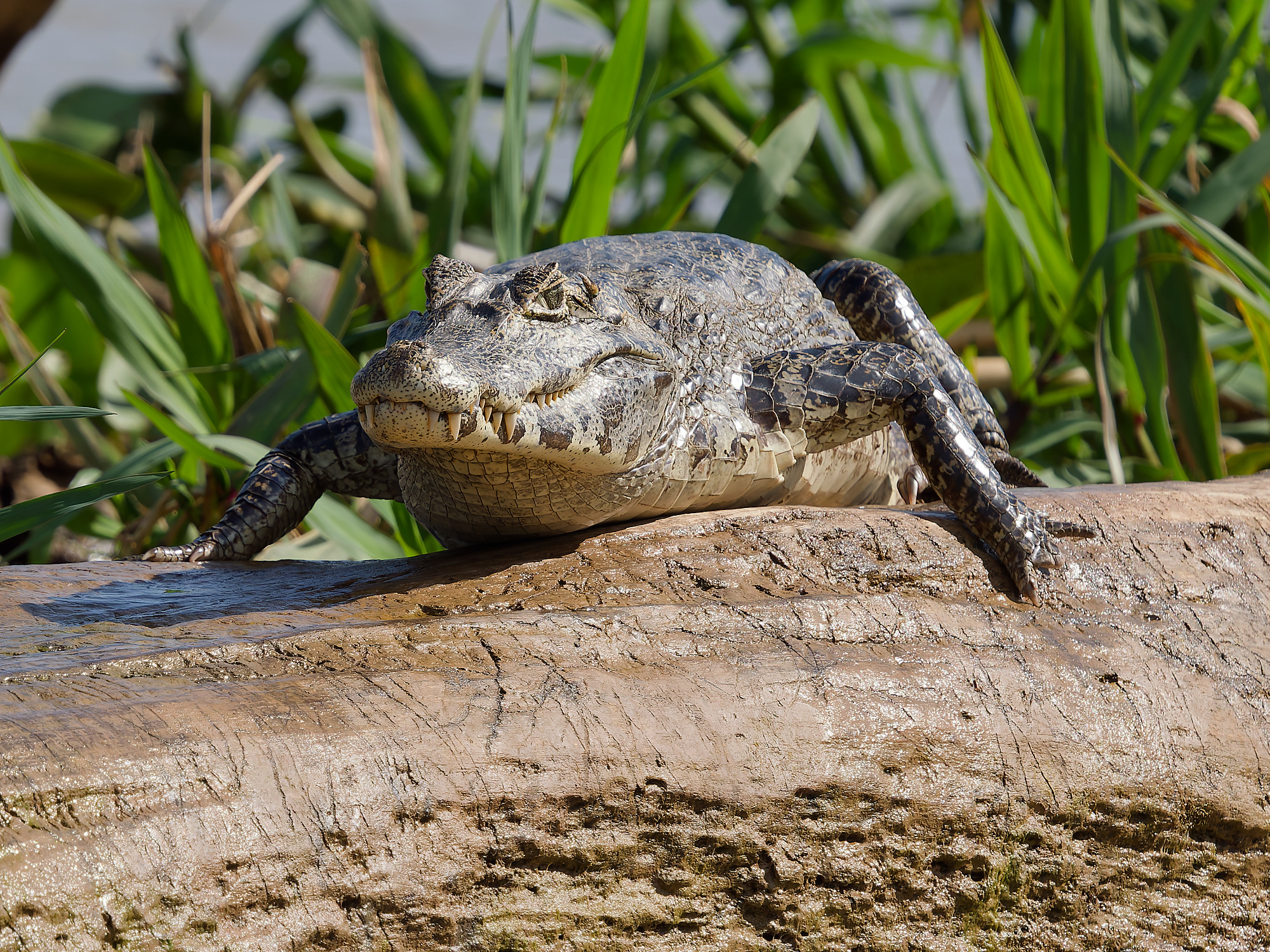
<h3>Caiman yacare / Yacare caiman / Yacarekaaiman</h3>OM-1 Mark II with OLYMPUS M.150-400mm F4.5, 1/2500 sec at F5.6, ISO 500, distance 12.8 m
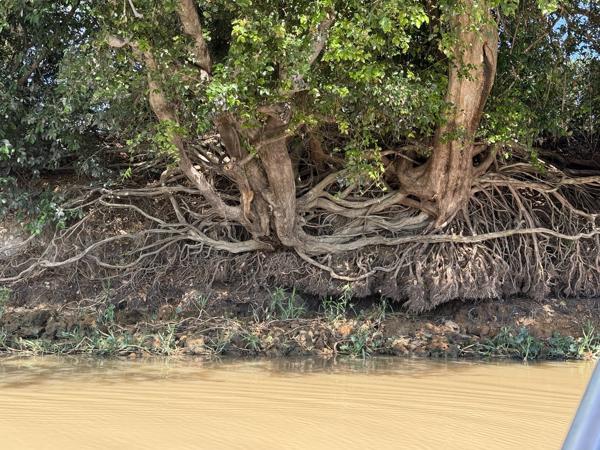
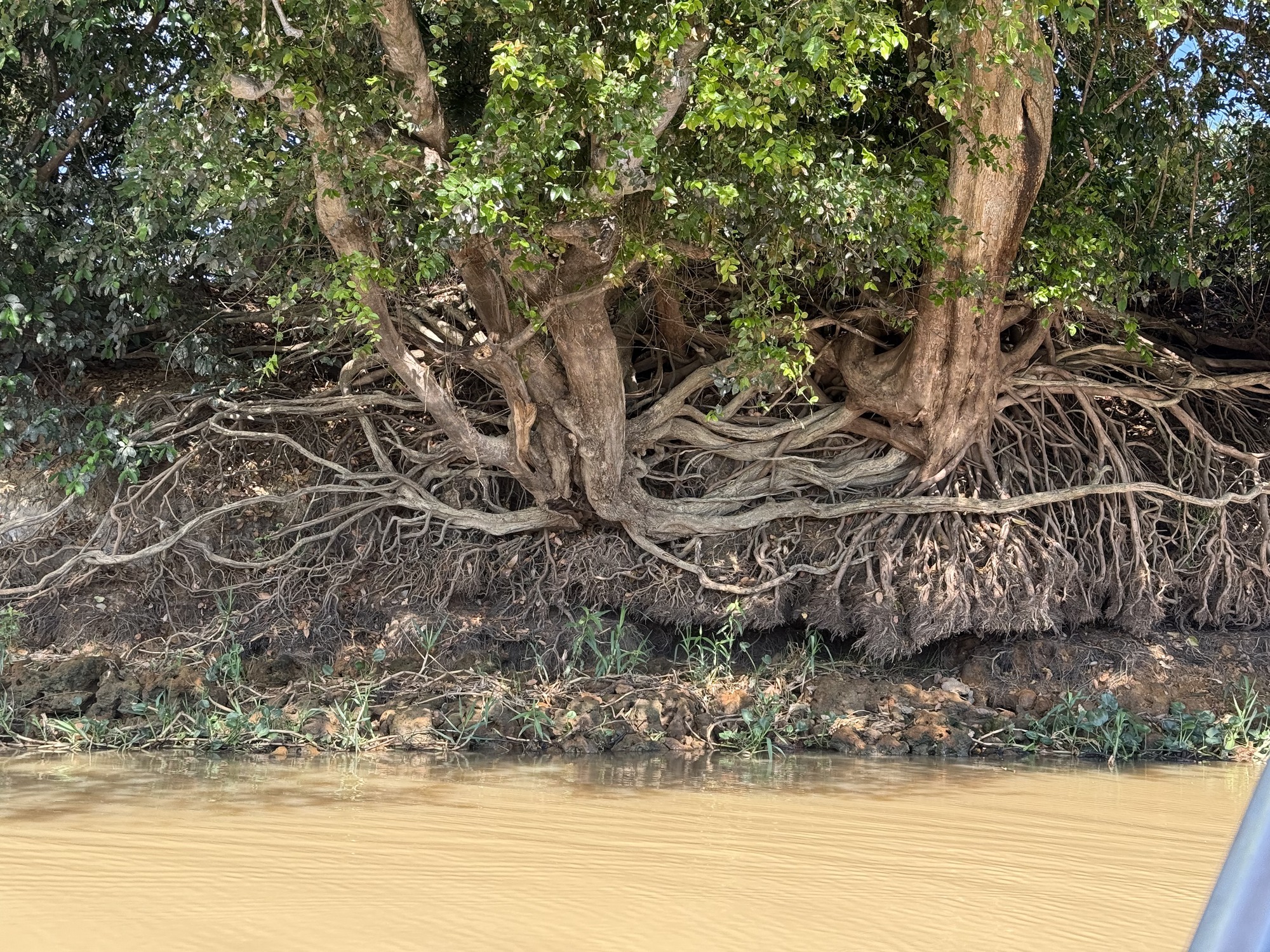
<h3>Trees</h3>iPhone 16 Pro with iPhone 16 Pro back triple camera 6.765mm f/1.78, 1/450 sec at F1.8, ISO 64
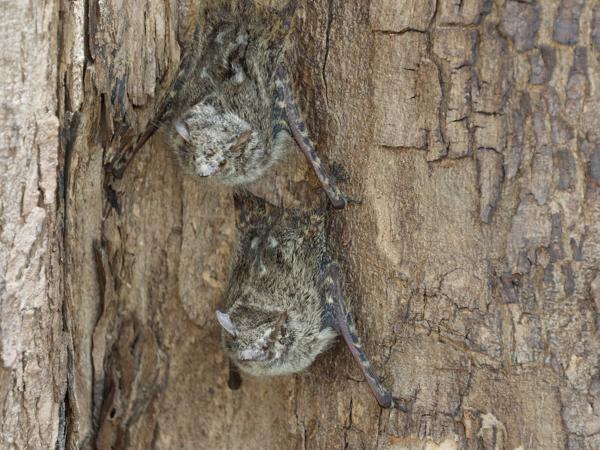
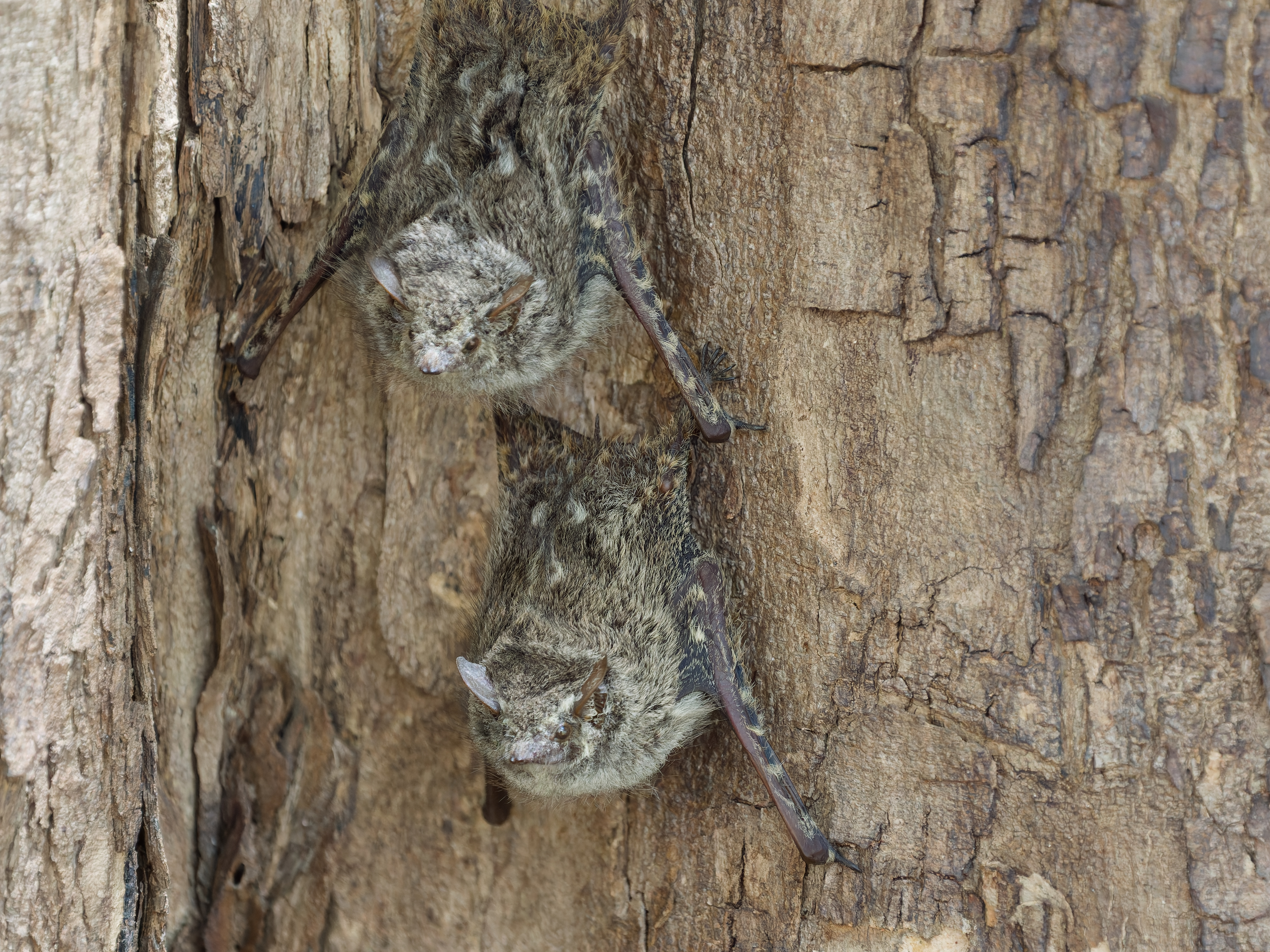
<h3>Rhynchonycteris naso / Proboscis bat / Langneusvleermuis</h3>OM-1 Mark II with OLYMPUS M.150-400mm F4.5, 1/1600 sec at F4.5, ISO 5000, distance 4.63 m
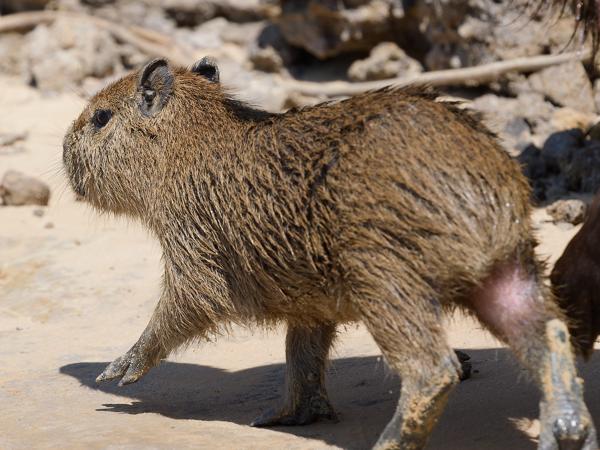
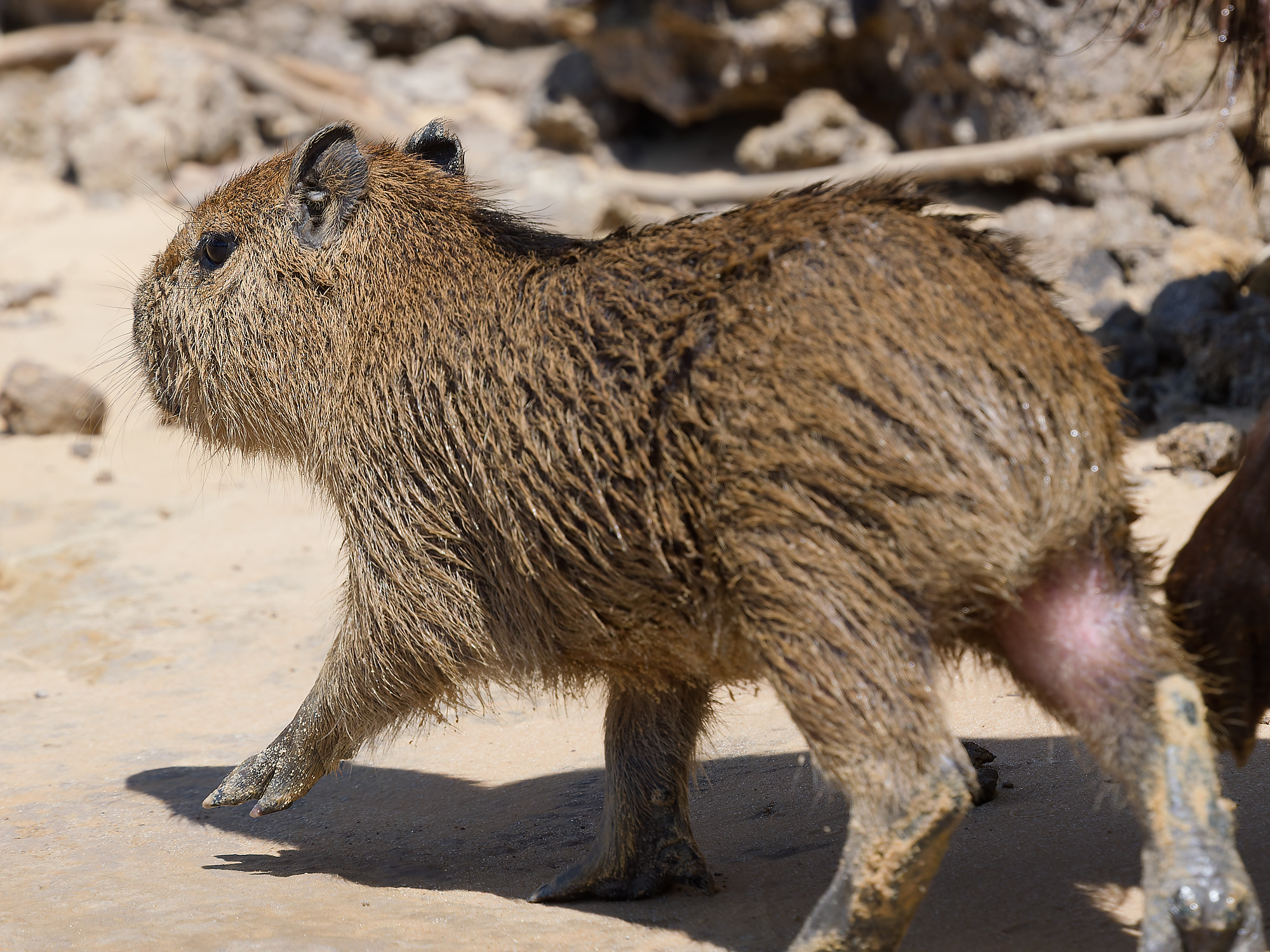
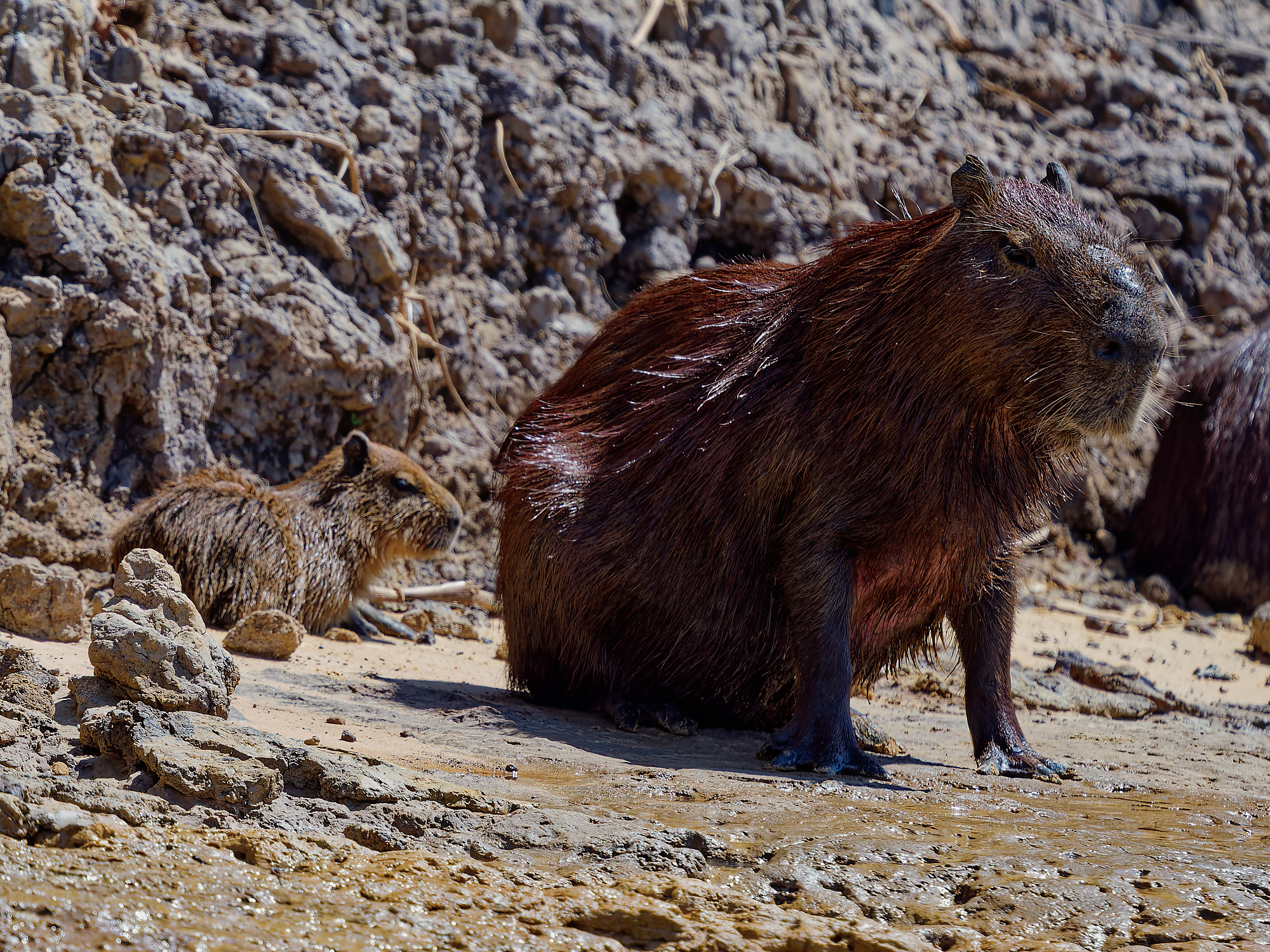
<h3>Hydrochoerus hydrochaeris / Capybara / Capibara</h3>OM-1 Mark II with OLYMPUS M.150-400mm F4.5, 1/2000 sec at F5.0, ISO 500, distance 5.38 m
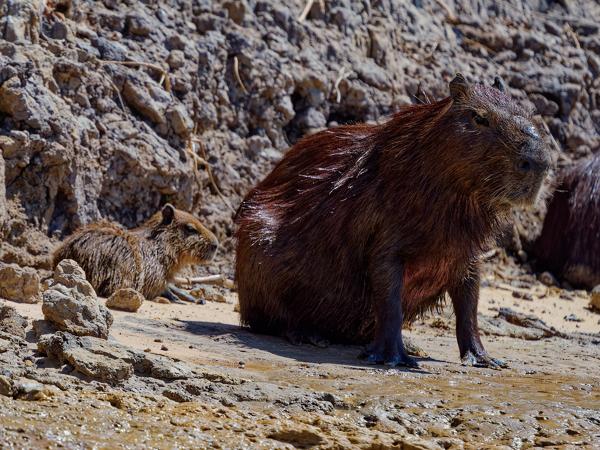
<h3>Hydrochoerus hydrochaeris / Capybara / Capibara</h3>OM-1 Mark II with OLYMPUS M.150-400mm F4.5, 1/1600 sec at F5.0, ISO 640, distance 15.7 m
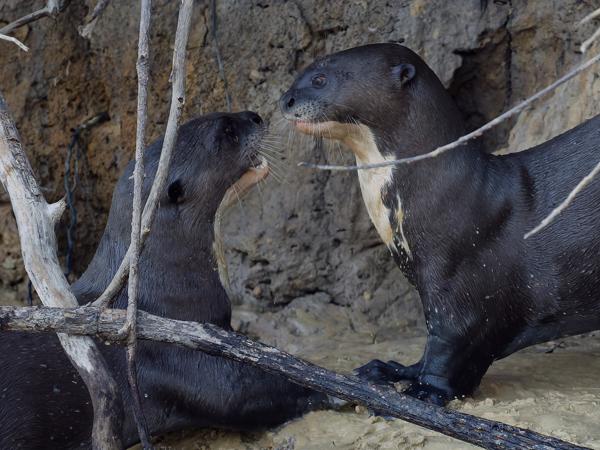
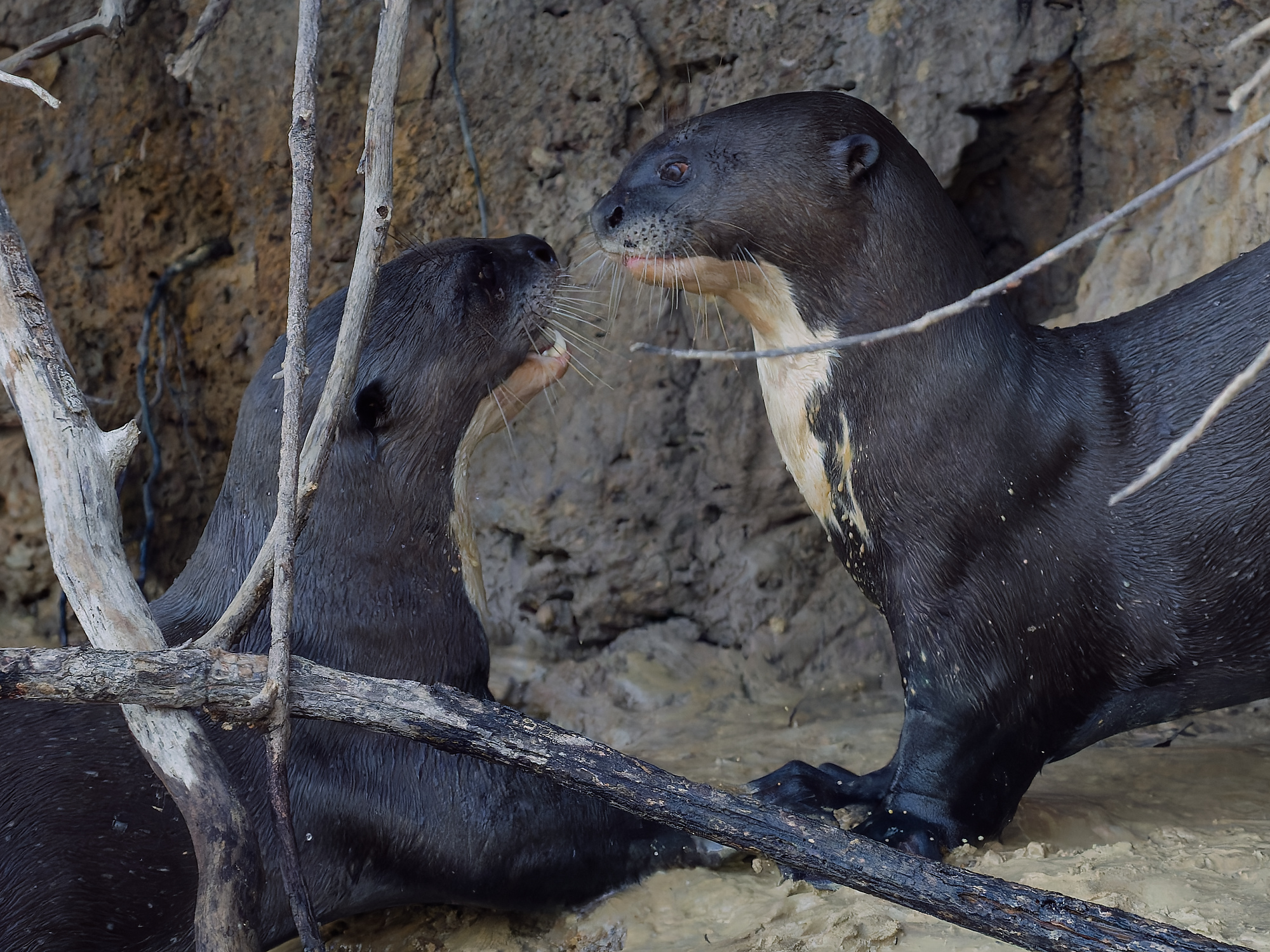
<h3>Pteronura brasiliensis / Giant otter / Reuzenotter </h3>OM-1 Mark II with OLYMPUS M.150-400mm F4.5, 1/1600 sec at F4.5, ISO 5000, distance 32.3 m
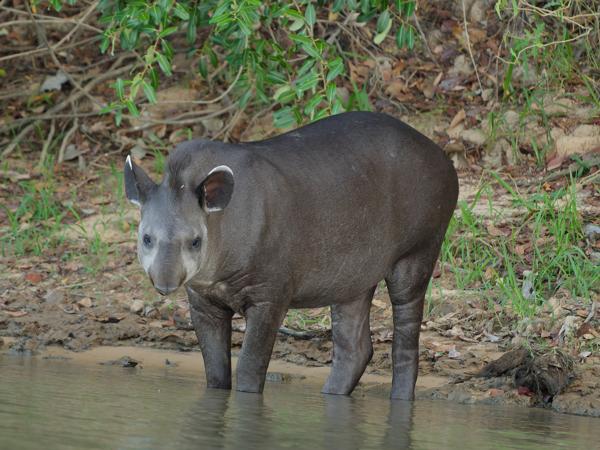
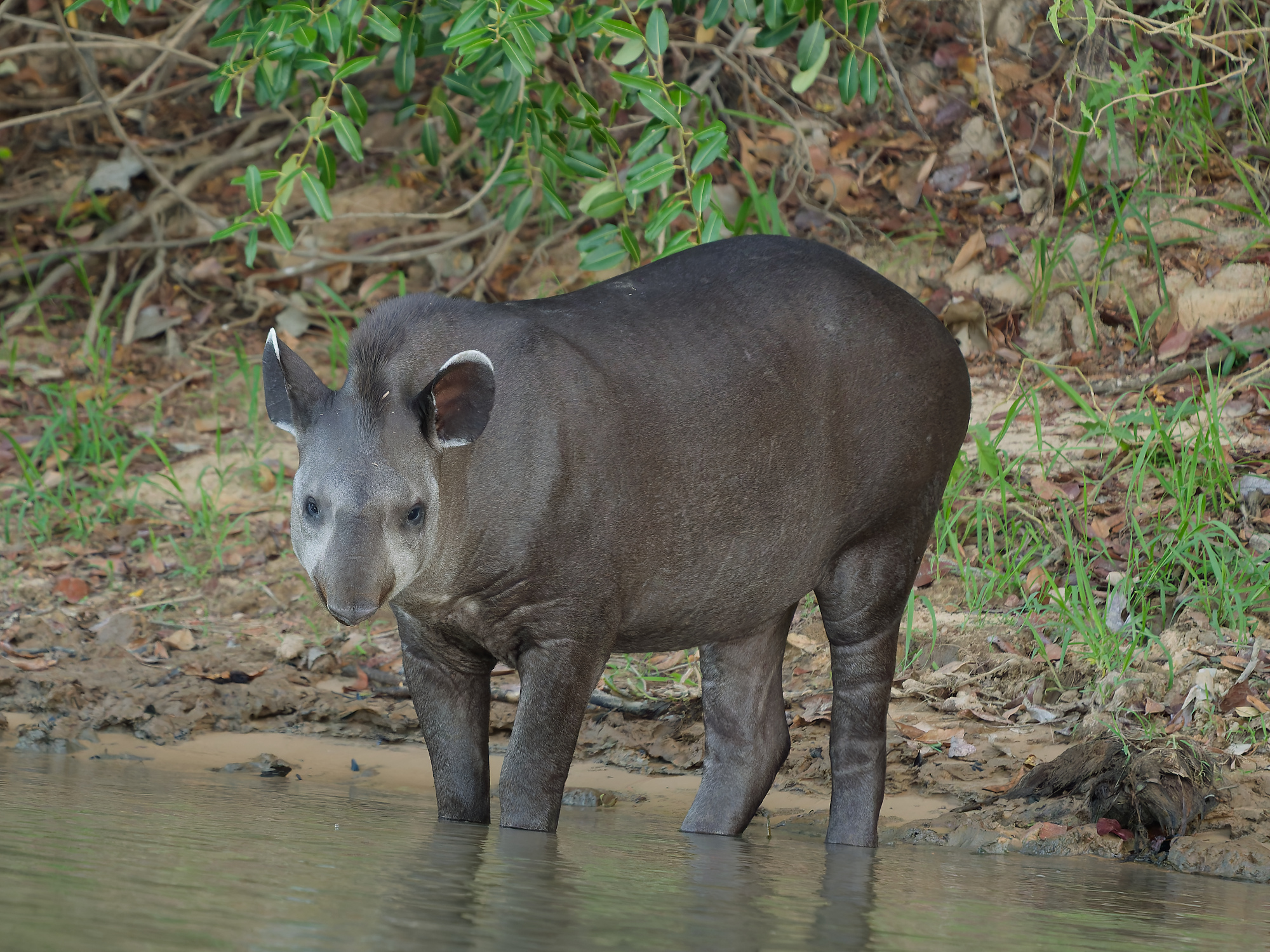
<h3>Tapirus terrestris / South american tapir / Laaglandtapir</h3>OM-1 Mark II with OLYMPUS M.150-400mm F4.5, 1/1250 sec at F4.5, ISO 5000, distance 33.0 m
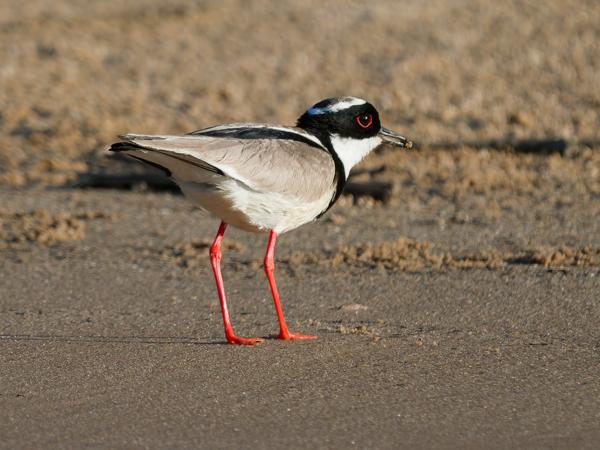
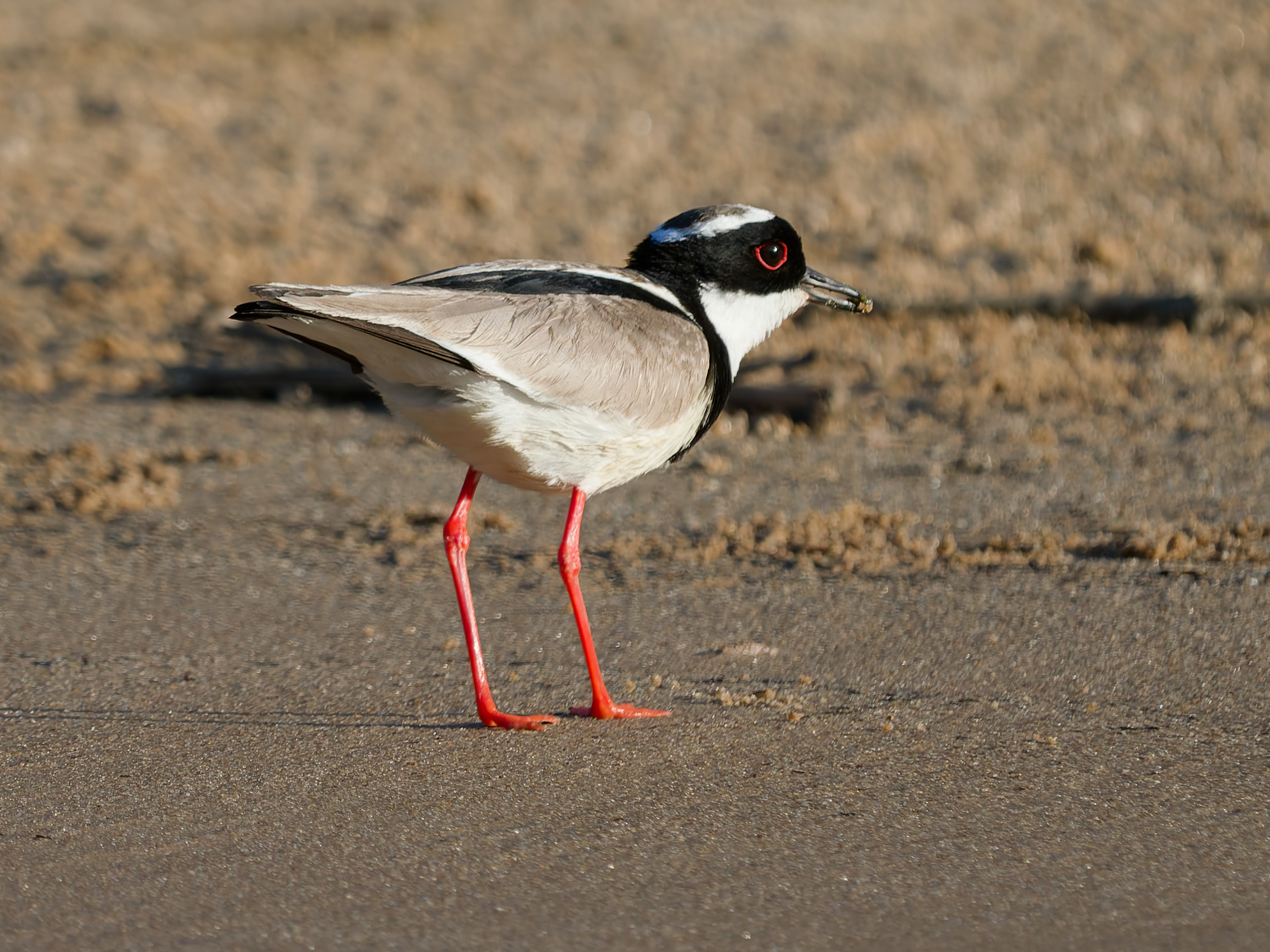
<h3>Hoploxypterus cayanus / Pied plover / Cayennekievit</h3>OM-1 Mark II with OLYMPUS M.150-400mm F4.5, 1/2000 sec at F5.0, ISO 500, distance 18.0 m
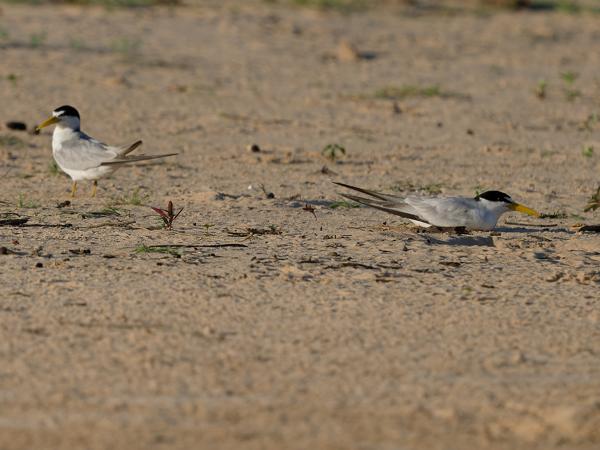
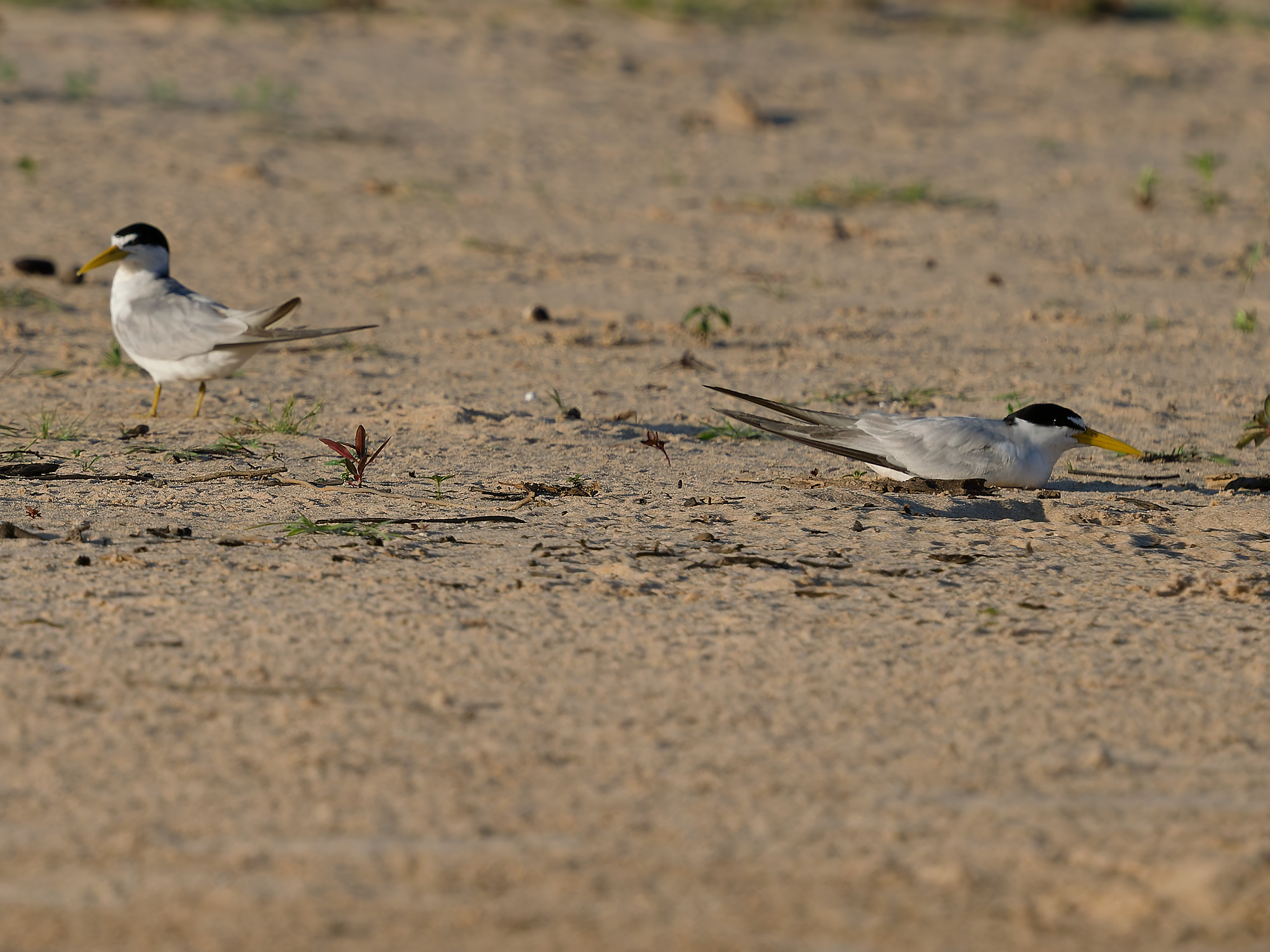
<h3>Sternula superciliaris / Yellow‑billed tern / Amazonestern</h3>OM-1 Mark II with OLYMPUS M.150-400mm F4.5, 1/2500 sec at F5.6, ISO 500, distance 21.7 m
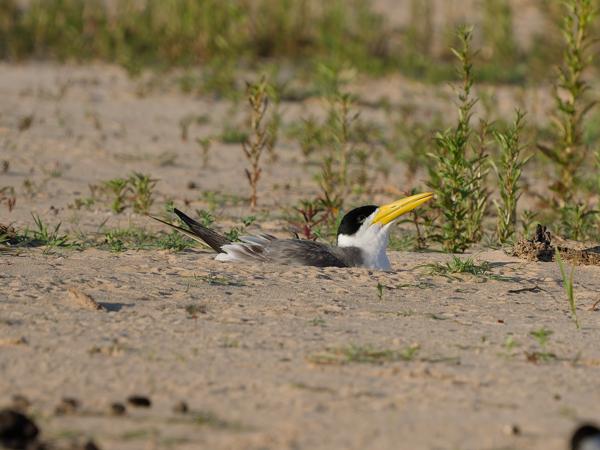
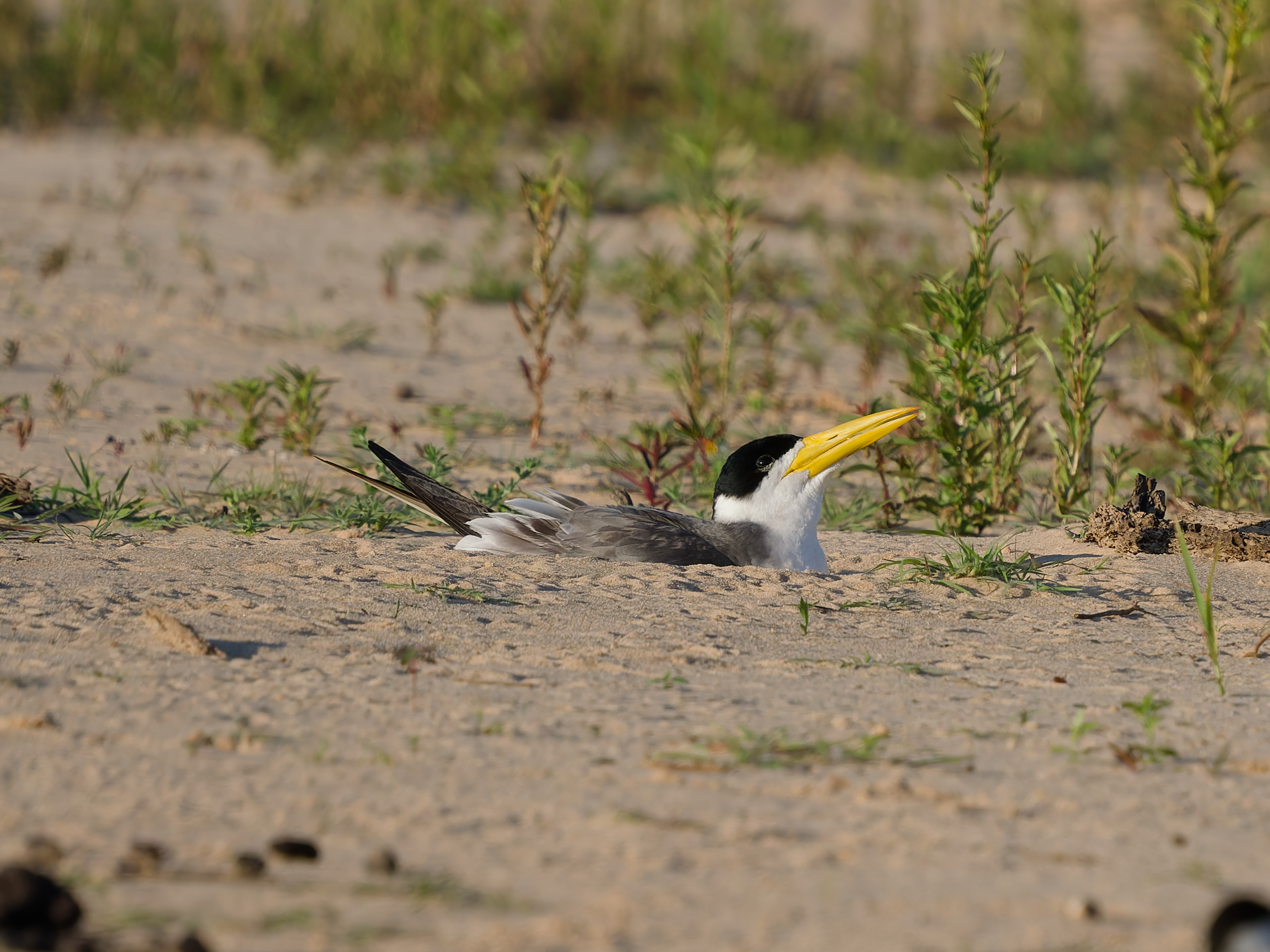
<h3>Phaetusa simplex / Large‑billed tern / Grootsnavelstern</h3>OM-1 Mark II with OLYMPUS M.150-400mm F4.5, 1/2000 sec at F5.0, ISO 500, distance 28.1 m
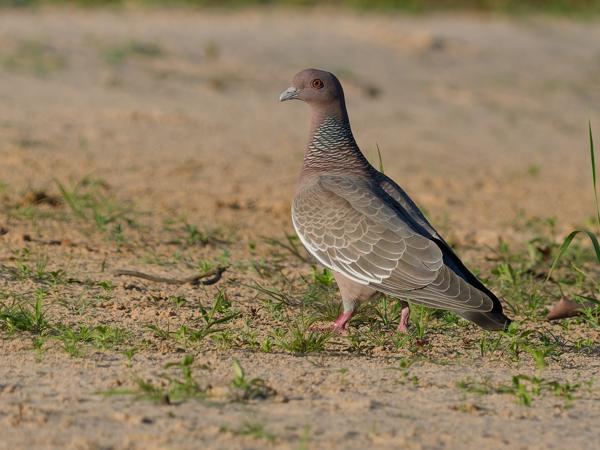
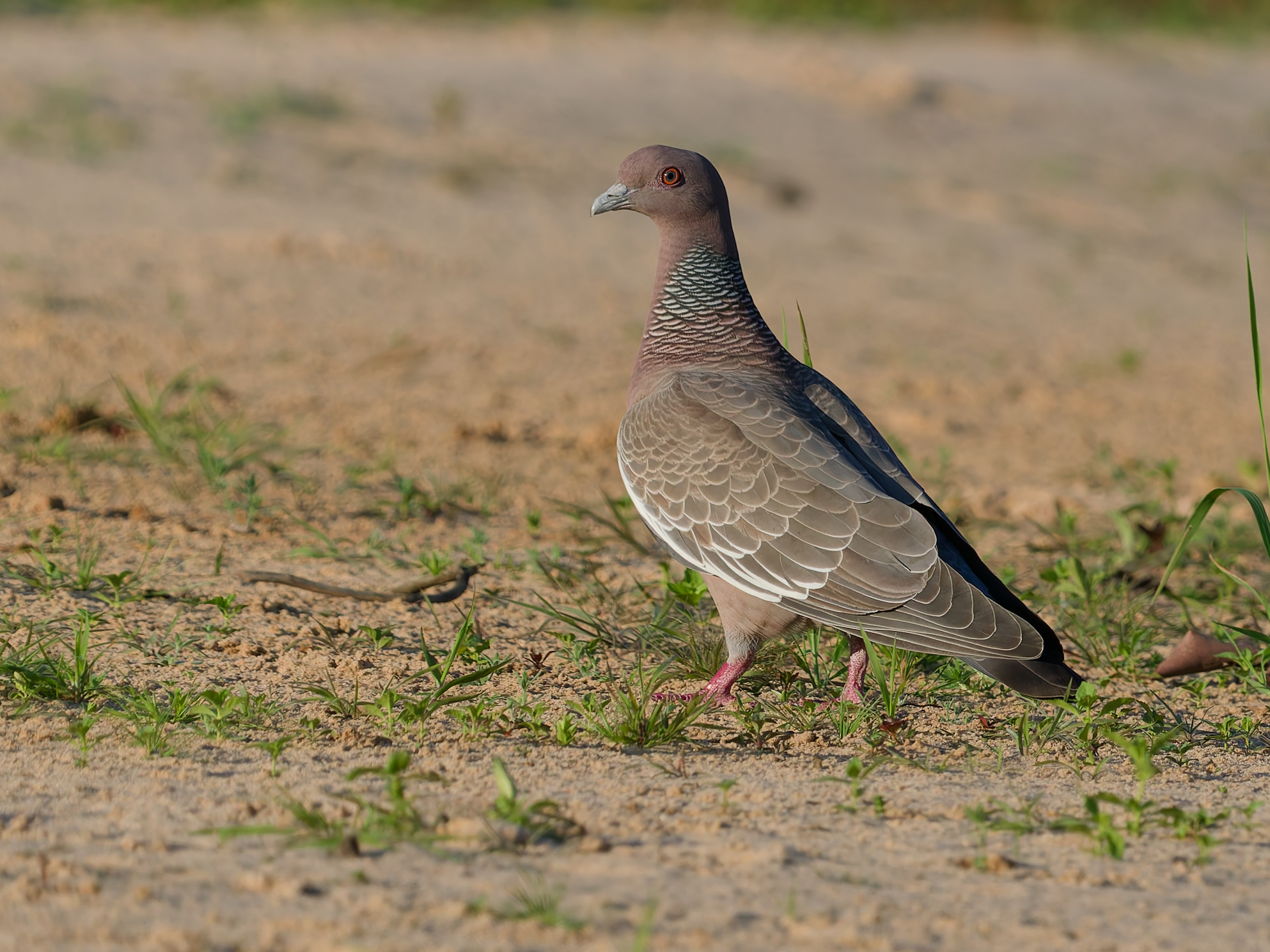
<h3>Patagioenas picazuro / Picazuro pigeon / Picazuroduif</h3>OM-1 Mark II with OLYMPUS M.150-400mm F4.5, 1/2000 sec at F5.0, ISO 500, distance 30.5 m
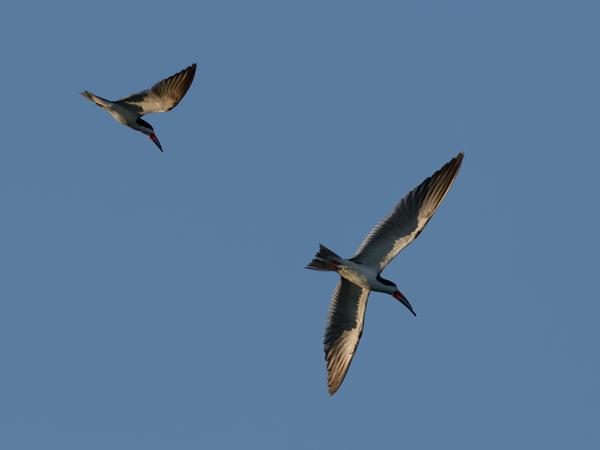
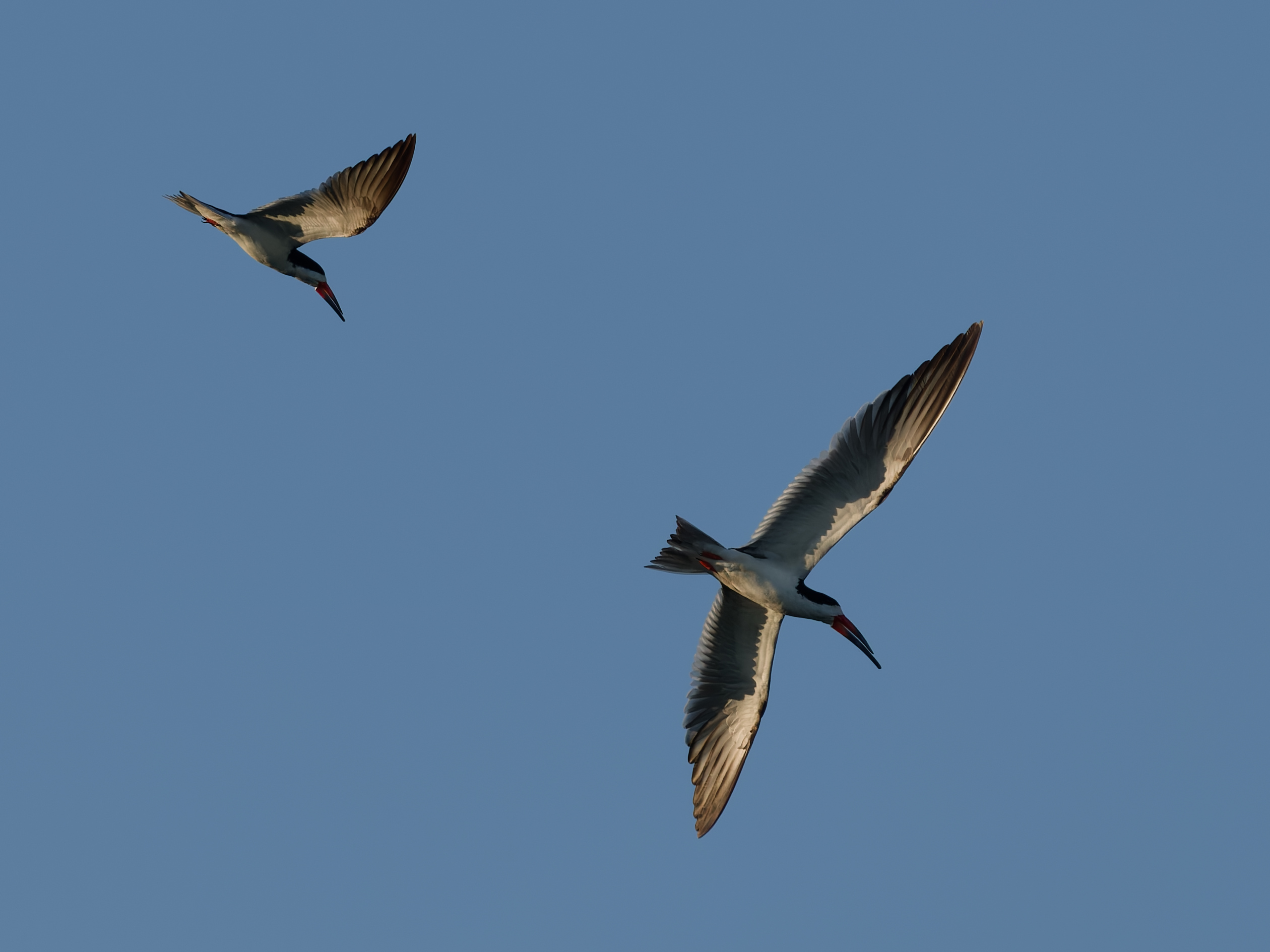
<h3>Rynchops niger / Black skimmer / Amerikaanse schaarbek</h3>OM-1 Mark II with OLYMPUS M.150-400mm F4.5, 1/2500 sec at F5.6, ISO 500, distance 70.1 m
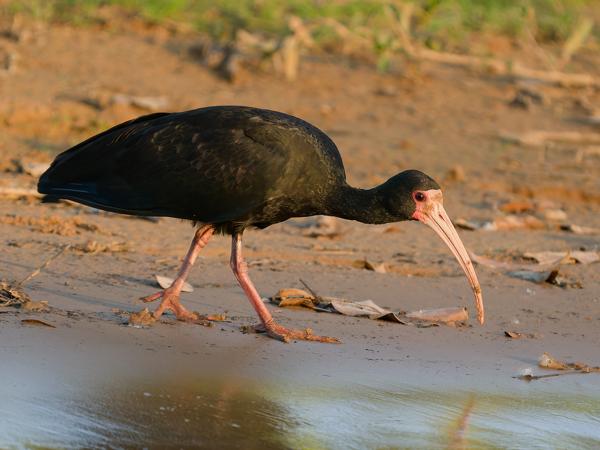
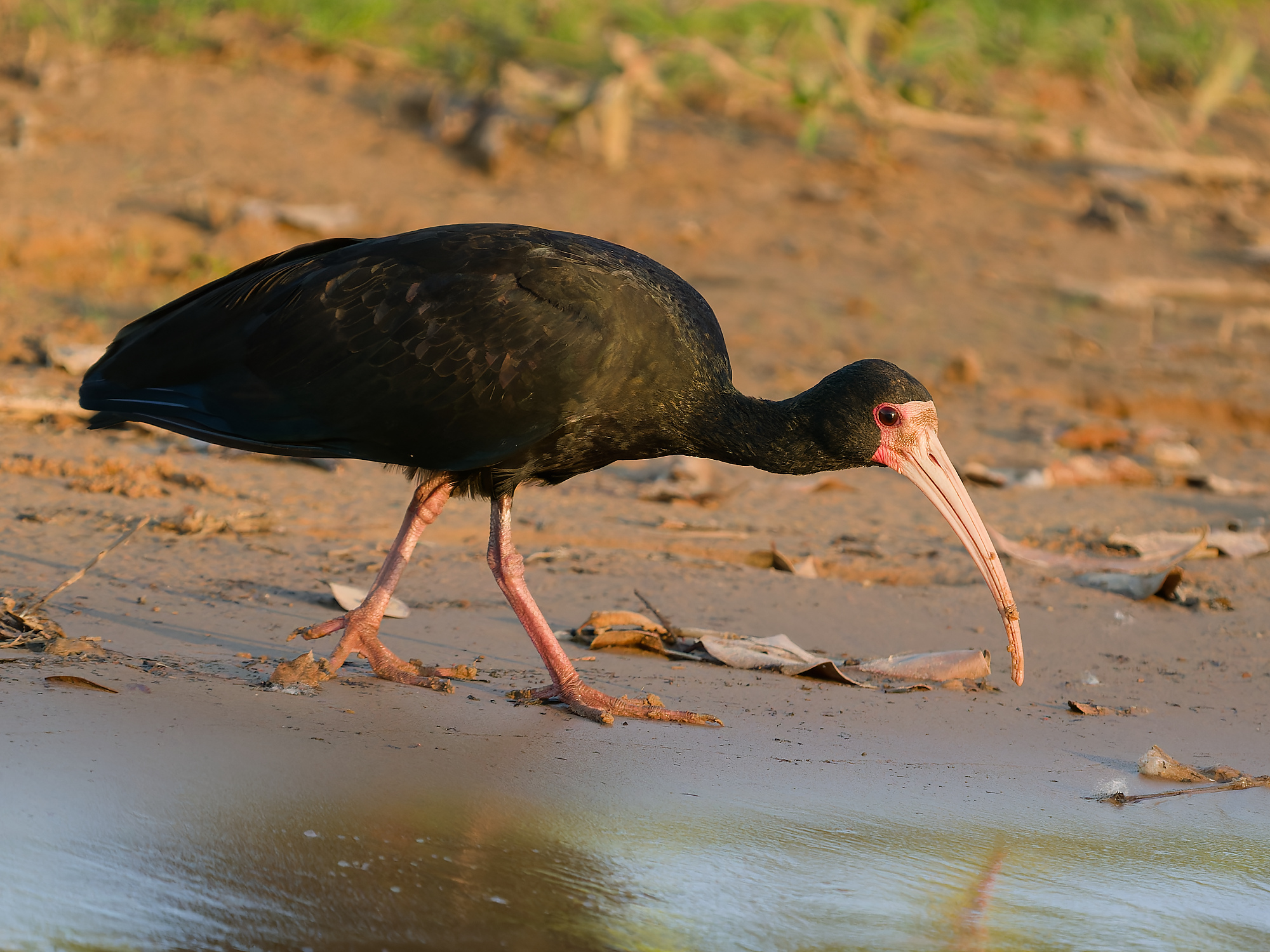
<h3>Phimosus infuscatus / Bare‑faced ibis / Maskeribis</h3>OM-1 Mark II with OLYMPUS M.150-400mm F4.5 TC, 1/1600 sec at F5.6, ISO 2500, distance 21.6 m
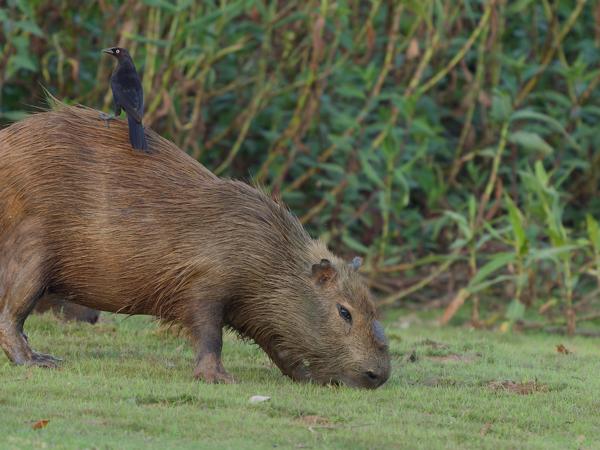
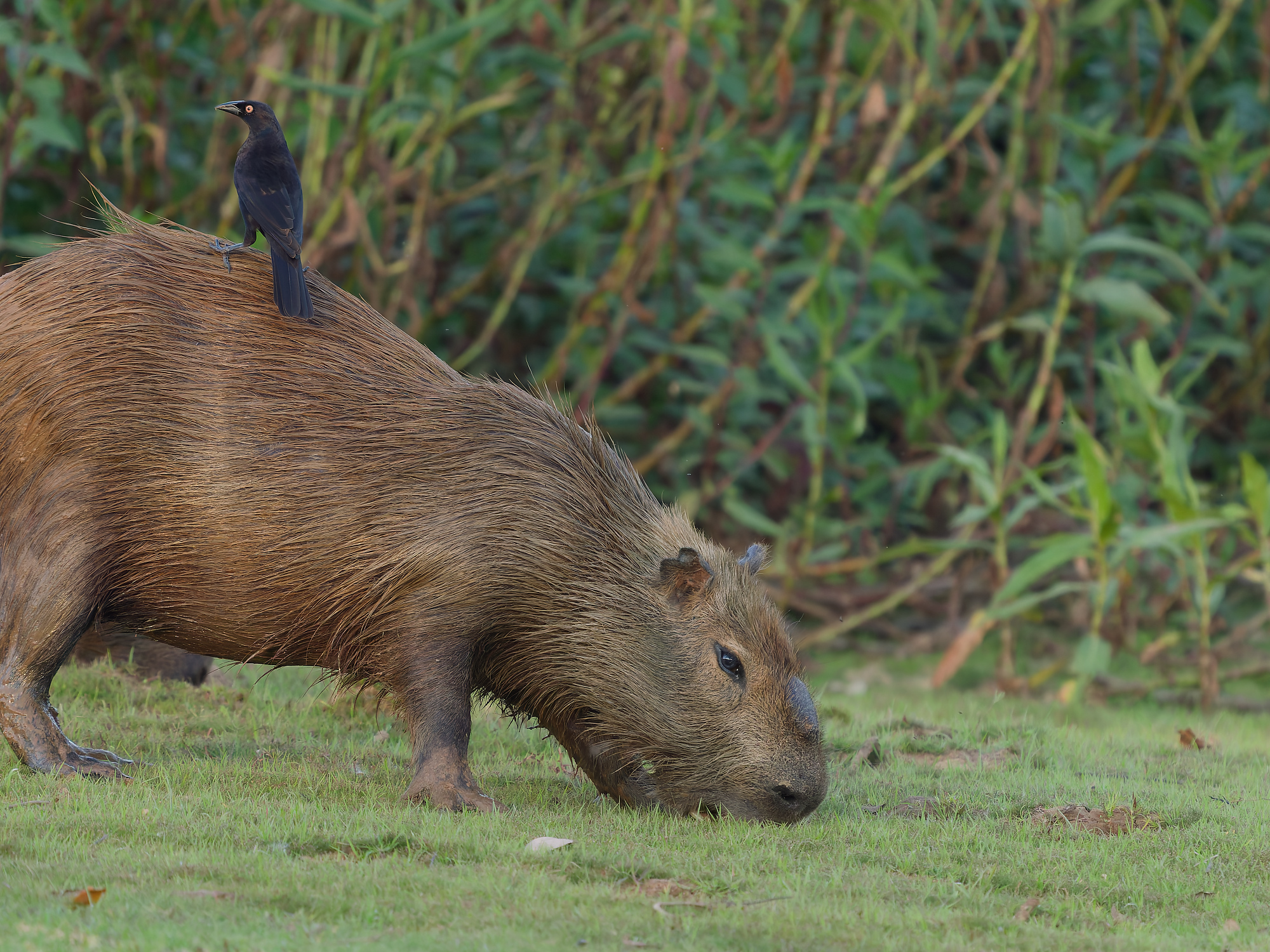
<h3>Molothrus oryzivorus / Giant cowbird / Grote koevogel</h3>OM-1 Mark II with OLYMPUS M.150-400mm F4.5 TC, 1/1000 sec at F5.6, ISO 5000, distance 28.4 m

Click on one of the small photos to view a photo, or browse through the photos using the white buttons on the left and right of the large photo.

Previous Blog  |  Next Blog